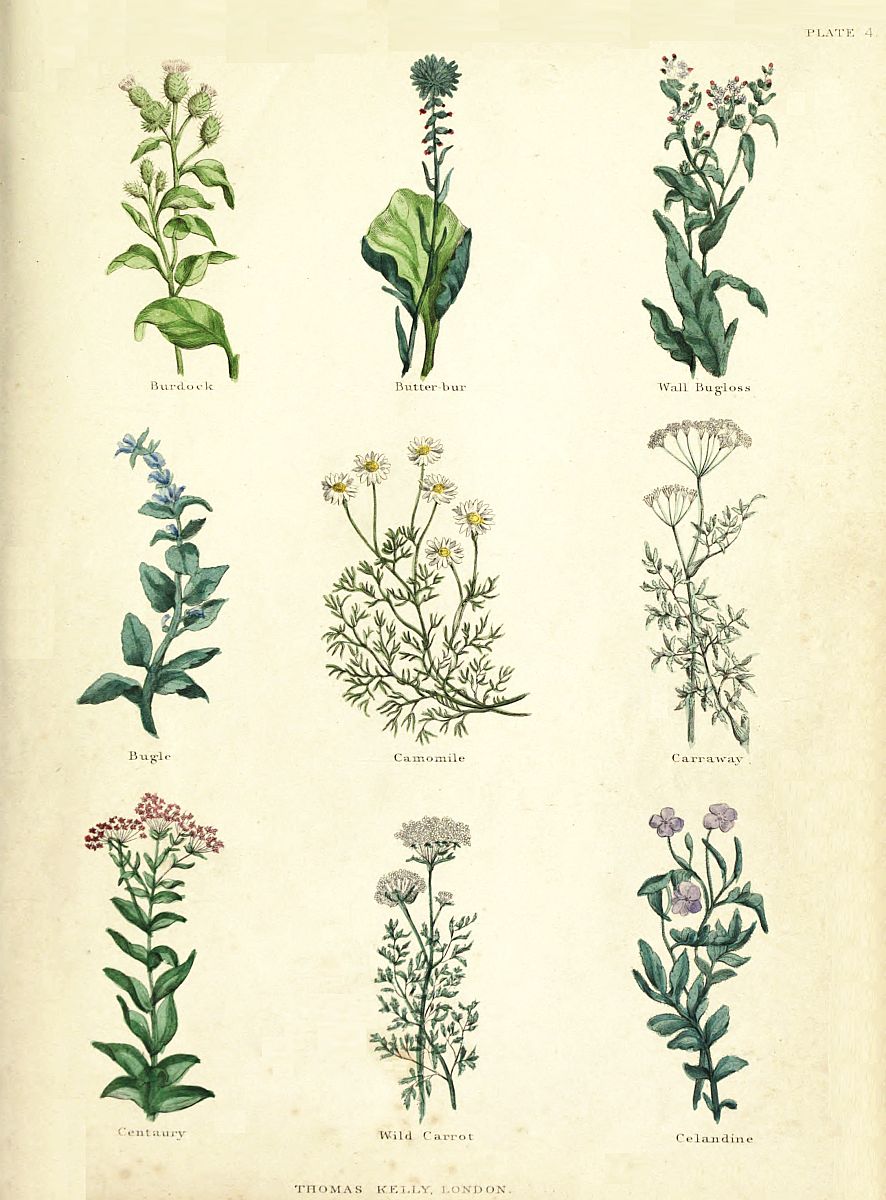
Chamomile
≈ 3 min read
Names in other languages
No names in other languages are held for this entry yet.
Article bodies are English and are not machine-translated. A name in another language is not a translation of the article.
, Matricaria chamomilla , Chamaemelum nobile Chamomile (American English) or camomile (British English; see spelling differences) ( or ) is the common name for several plants of the family Asteraceae. Two of the species, Matricaria chamomilla and Chamaemelum nobile, are commonly used to make herbal infusions for beverages. Chamomile is used as a flavoring in foods, beverages, and cosmetics, in herbal teas, in brewing beer, and as a ground cover or seating plant in gardens. There is no clinical evidence supporting the effectiveness of consuming chamomile to treat any disease. Chamomile may interact adversely with various herbs and drugs, worsen pollen allergies, and is not recommended for people with hormone-sensitive conditions or when combined with anticoagulants. Because Roman chamomile may cause uterine contractions, it should not be used during pregnancy, and its safety during breastfeeding is unknown. Chamomile is highly susceptible to numerous fungi, viruses, and insects, which collectively pose significant threats to its cultivation.
, Matricaria chamomilla , Chamaemelum nobile Chamomile (American English) or camomile (British English; see spelling differences) ( or ) is the common name for several plants of the family Asteraceae. Two of the species, Matricaria chamomilla and Chamaemelum nobile, are commonly used to make herbal infusions for beverages. Chamomile is used as a flavoring in foods, beverages, and cosmetics, in herbal teas, in brewing beer, and as a ground cover or seating plant in gardens. There is no clinical evidence supporting the effectiveness of consuming chamomile to treat any disease. Chamomile may interact adversely with various herbs and drugs, worsen pollen allergies, and is not recommended for people with hormone-sensitive conditions or when combined with anticoagulants. Because Roman chamomile may cause uterine contractions, it should not be used during pregnancy, and its safety during breastfeeding is unknown. Chamomile is highly susceptible to numerous fungi, viruses, and insects, which collectively pose significant threats to its cultivation.
Phytochemicals
The main compounds in chamomile flowers are coumarins, flavonoids, and polyphenols, including apigenin, quercetin, patuletin, luteolin, and daphnin. PLANTS Profile: Anthemis tinctoria L. (golden chamomile), USDA
Text derived from https://en.wikipedia.org/w/index.php?oldid=1375930572 under CC BY-SA 4.0; modifications have been made.