Commodore 128
≈ 4 min read
Names in other languages
- DeutschCommodore 128
- EnglishCommodore 128
- FrançaisCommodore 128
- hrCommodore 128
- NederlandsCommodore 128
- nnCommodore 128
- РусскийCommodore 128
- СрпскиKomodor 128
Article bodies are English and are not machine-translated. A name in another language is not a translation of the article.
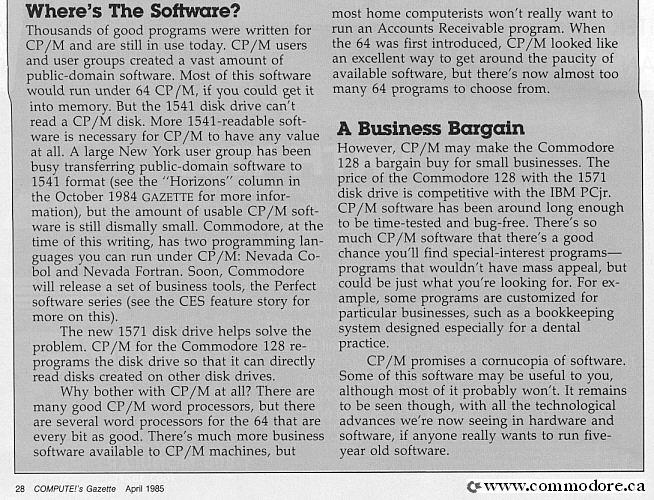
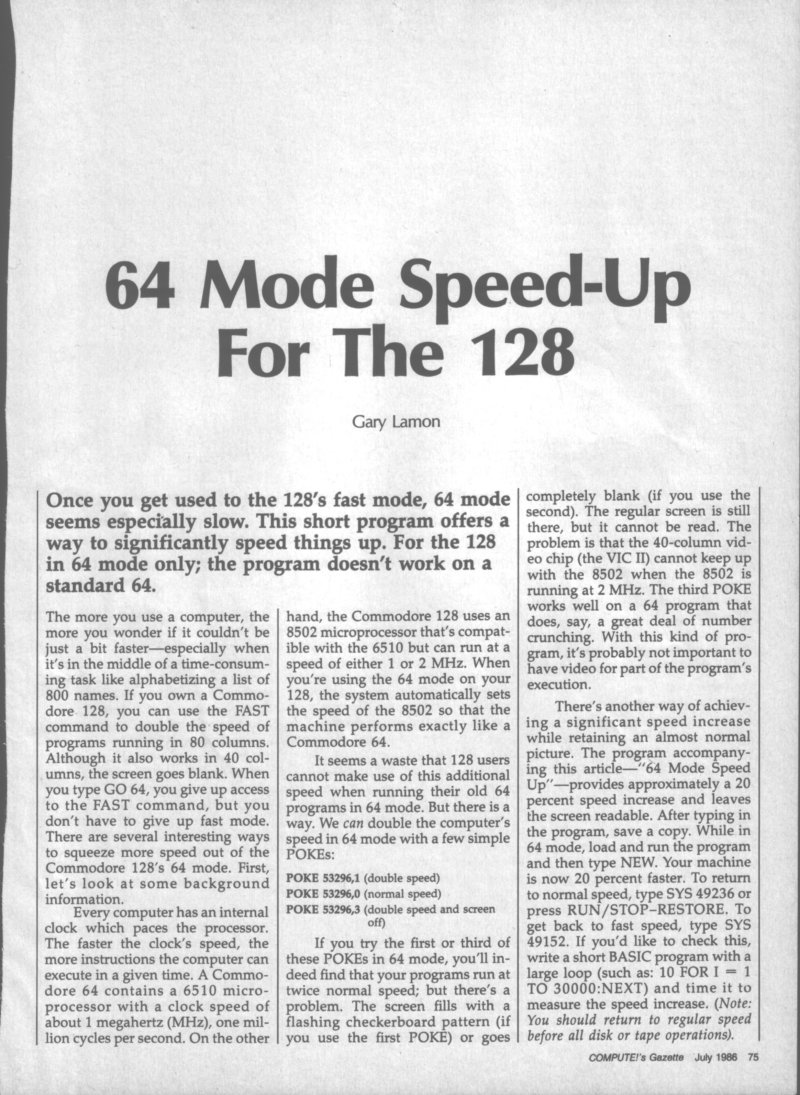
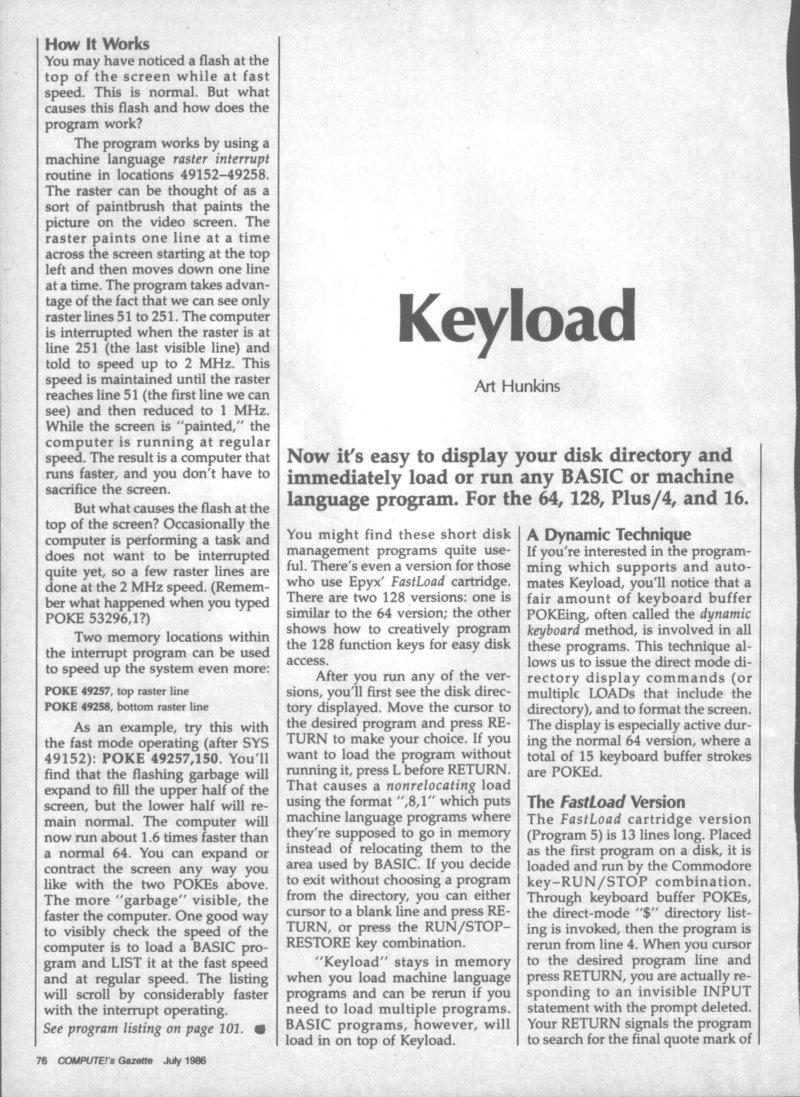
The Commodore 128, also known as the C128, is the last 8-bit home computer that was commercially released by Commodore Business Machines (CBM). Introduced in January 1985 at the CES in Las Vegas, it appeared three years after its predecessor, the Commodore 64, the bestselling computer of the 1980s. Approximately 2.5 million C128s were sold during its four-year production run. The C128 is a significantly expanded successor to the C64, with nearly full compatibility. It is housed in a redesigned case with an improved keyboard including a numeric keypad and function keys. Memory was enlarged to 128 KB of RAM in two 64 KB banks. A separate graphics chip provided 80-column color video output in addition to the original C64 modes. It also included a Zilog Z80 CPU which allows the C128 to run CP/M, as an alternative to the usual Commodore BASIC environment. The huge CP/M software library, coupled with the C64's software library, gave the C128 one of the broadest ranges of available software among its competitors. The primary hardware designer of the C128 was Bil Herd, who had worked on the Plus/4. Other hardware engineers were Dave Haynie and Frank Palaia, while the IC design work was done by Dave DiOrio. The main Commodore system software was developed by Fred Bowen and Terry Ryan, while the CP/M subsystem was developed by Von Ertwine.…
The Commodore 128, also known as the C128, is the last 8-bit home computer that was commercially released by Commodore Business Machines (CBM). Introduced in January 1985 at the CES in Las Vegas, it appeared three years after its predecessor, the Commodore 64, the bestselling computer of the 1980s. Approximately 2.5 million C128s were sold during its four-year production run. The C128 is a significantly expanded successor to the C64, with nearly full compatibility. It is housed in a redesigned case with an improved keyboard including a numeric keypad and function keys. Memory was enlarged to 128 KB of RAM in two 64 KB banks. A separate graphics chip provided 80-column color video output in addition to the original C64 modes. It also included a Zilog Z80 CPU which allows the C128 to run CP/M, as an alternative to the usual Commodore BASIC environment. The huge CP/M software library, coupled with the C64's software library, gave the C128 one of the broadest ranges of available software among its competitors. The primary hardware designer of the C128 was Bil Herd, who had worked on the Plus/4. Other hardware engineers were Dave Haynie and Frank Palaia, while the IC design work was done by Dave DiOrio. The main Commodore system software was developed by Fred Bowen and Terry Ryan, while the CP/M subsystem was developed by Von Ertwine. The C128 released in the United Kingdom on 25 July 1985.
Text derived from https://en.wikipedia.org/w/index.php?oldid=1358295691 under CC BY-SA 4.0; modifications have been made.
References
1 claim could not be tied to a specific sentence and is listed in the table below instead.