Fennel
≈ 2 min read
Names in other languages
No names in other languages are held for this entry yet.
Article bodies are English and are not machine-translated. A name in another language is not a translation of the article.
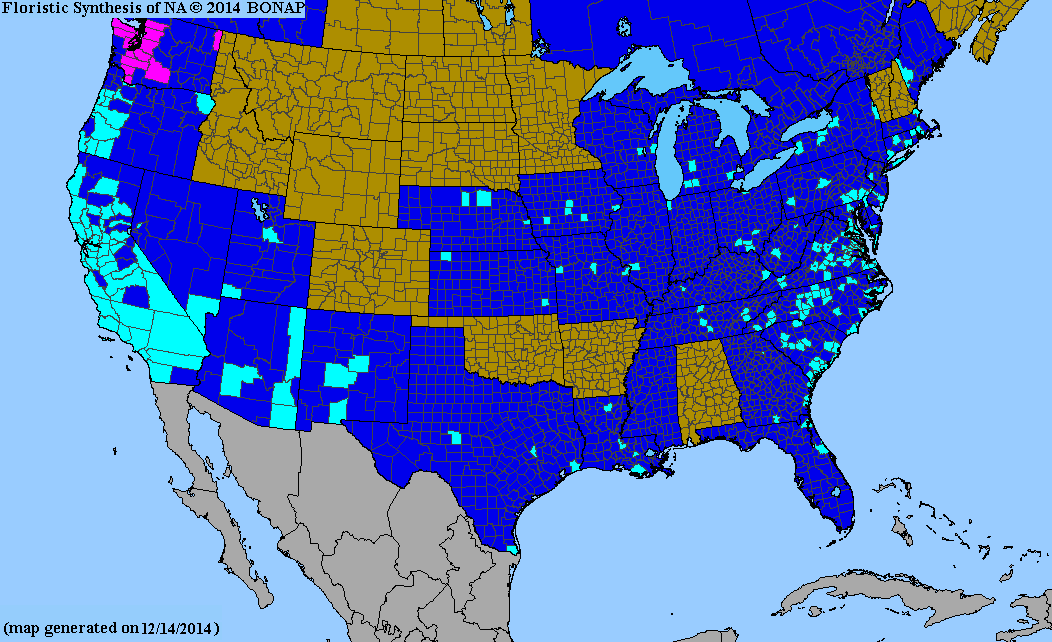
Fennel (Foeniculum vulgare) is a flowering plant species in the carrot family. It is a hardy, perennial herb with yellow flowers and feathery leaves. It is indigenous to the shores of the Mediterranean but has become widely naturalized in many parts of the world, especially on dry soils near the sea coast and on riverbanks. It is a highly flavorful herb used in cooking and, along with the similar-tasting anise, is one of the primary ingredients of absinthe. Florence fennel or finocchio ( , , ) is a selection with a swollen, bulb-like stem base (sometimes called bulb fennel) that is used as a vegetable.
Fennel (Foeniculum vulgare) is a flowering plant species in the carrot family. It is a hardy, perennial herb with yellow flowers and feathery leaves. It is indigenous to the shores of the Mediterranean but has become widely naturalized in many parts of the world, especially on dry soils near the sea coast and on riverbanks. It is a highly flavorful herb used in cooking and, along with the similar-tasting anise, is one of the primary ingredients of absinthe. Florence fennel or finocchio ( , , ) is a selection with a swollen, bulb-like stem base (sometimes called bulb fennel) that is used as a vegetable. Henry Wadsworth Longfellow's 1842 poem "The Goblet of Life" repeatedly refers to the plant and mentions its purported ability to strengthen eyesight: Above the lower plants, it towers, The Fennel with its yellow flowers; And in an earlier age than ours Was gifted with the wondrous powers Lost vision to restore.
Text derived from https://en.wikipedia.org/w/index.php?oldid=1377739518 under CC BY-SA 4.0; modifications have been made.