Olive
≈ 6 min read
Names in other languages
No names in other languages are held for this entry yet.
Article bodies are English and are not machine-translated. A name in another language is not a translation of the article.
The cultivated olive (botanical name Olea europaea subsp. europaea ) is a subspecies of subtropical evergreen tree in the family Oleaceae. Modern cultivars are traced primarily to the Near East, Aegean Sea, and Strait of Gibraltar. Olea europaea is the type species for its genus, Olea, which lends its name to the Oleaceae plant family. The olive fruit is classed botanically as a drupe, similar in structure and function to the cherry or peach. The term oil was originally synonymous with olive oil.
The olive has deep historical, economic, and cultural significance in the Mediterranean. It was one of the first fruit trees to be domesticated, being first cultivated in the Eastern Mediterranean between 6,000 and 4,000 BC. It gradually spread around the Mediterranean Basin via trade and human migration. Olive cultivation was vital to the growth and prosperity of several Mediterranean civilisations.
The fruit is eaten as table olives; the oil extracted from the fruit is used in food and formerly for lamp fuel; and the wood is used for decorative objects. The olive branch is a symbol of peace. The olive is a core ingredient in Middle Eastern and Mediterranean cuisines, particularly in the form of olive oil, and a defining feature of local landscapes, commerce, and folk traditions. The olive is cultivated throughout the Mediterranean Basin, and in other regions with a suitable climate.…
The cultivated olive (botanical name Olea europaea subsp. europaea ) is a subspecies of subtropical evergreen tree in the family Oleaceae. Modern cultivars are traced primarily to the Near East, Aegean Sea, and Strait of Gibraltar. Olea europaea is the type species for its genus, Olea, which lends its name to the Oleaceae plant family. The olive fruit is classed botanically as a drupe, similar in structure and function to the cherry or peach. The term oil was originally synonymous with olive oil.
The olive has deep historical, economic, and cultural significance in the Mediterranean. It was one of the first fruit trees to be domesticated, being first cultivated in the Eastern Mediterranean between 6,000 and 4,000 BC. It gradually spread around the Mediterranean Basin via trade and human migration. Olive cultivation was vital to the growth and prosperity of several Mediterranean civilisations.
The fruit is eaten as table olives; the oil extracted from the fruit is used in food and formerly for lamp fuel; and the wood is used for decorative objects. The olive branch is a symbol of peace. The olive is a core ingredient in Middle Eastern and Mediterranean cuisines, particularly in the form of olive oil, and a defining feature of local landscapes, commerce, and folk traditions. The olive is cultivated throughout the Mediterranean Basin, and in other regions with a suitable climate.
Spain, Italy, and Greece lead the world in commercial olive production. There are many cultivars, some used primarily for oil, others for eating. Approximately 80% of all harvested olives are processed into oil, with the rest cured and fermented as table olives.
File:ZeitimI.jpg|Unripe fruits on a cultivated tree in Israel File:Olea europaea - Köhler–s Medizinal-Pflanzen-229.jpg|19th-century illustration , Apulia, Italy|alt=Pruned trees in neat rows at Ostuni, Apulia, Italy Olive trees prefer calcareous soils; they grow best on limestone slopes and crags, and in coastal climates. They can grow in any light soil, even on well-drained clay, but in rich soils, they are predisposed to disease and produce poor quality oil, as noted by Pliny the Elder.
Olives like hot weather and sunny positions without any shade, while temperatures below may injure even a mature tree. They tolerate drought well because of their sturdy and extensive root systems. Olive trees can remain productive for centuries as long as they are pruned correctly and regularly. Olives are propagated by various methods, especially by cuttings and layering; the trees root easily in favourable soil and throws up suckers from the stump when cut down. Trees can also be grown from seed.
However, yields from trees grown from suckers or seeds are poor; they have to be budded or grafted to do well. To facilitate germination, the oily pericarp is softened by slight rotting, or soaked in hot water or in an alkaline solution. Where extreme cold has damaged or killed the above-ground parts of the tree, the rootstock can survive and produce new shoots which in turn become new trees. In this way, olive trees can regenerate themselves.
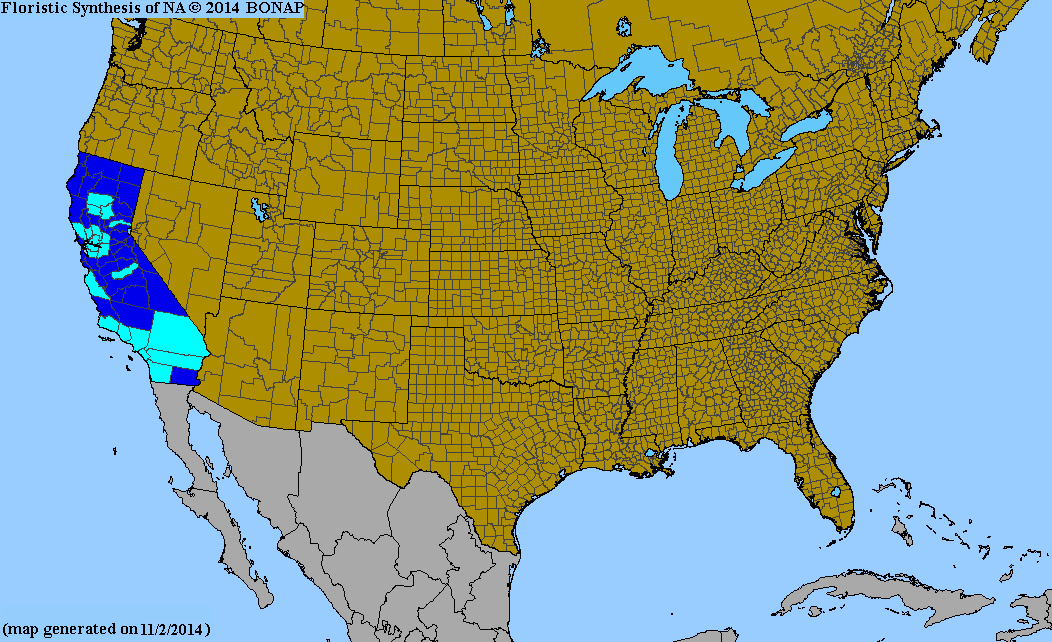
In Tuscany in 1985, a severe frost destroyed many productive and aged olive trees and ruined farmers' livelihoods; recovery was expected to take four or five years. , South Australia|alt=Olives as invasive weeds, Adelaide Hills, South Australia, 2007 Since its first domestication, the olive has repeatedly escaped to the wild, with feral plants swamping the original wild populations of southern Europe. In South Australia, the olive is a serious invasive species affecting native vegetation.
In that region, its seeds are spread by the introduced red fox and by bird including the European starling and the emu. They germinate in woodlands, growing to form a dense canopy that crowds out native tree seedlings. As the climate there is dry and prone to bushfires, the oil-rich feral olive tree substantially increases the fire hazard of native sclerophyll woodlands.
File:Olives au marche de Toulon p1040238.jpg|Olives at a market in Toulon, France File:Grüne Oliven.jpg|Green File:Schwarze Oliven.jpg|Black File:Olives in cup.jpg|With herbs File:Olive cookware in Montenegro.jpg|Olive wood is prized for its durability and attractive appearance, for indoor objects such as this cookware. File:Mallorca Wild Olive.jpg|Olea europaea sylvestris as bonsai, valued for their tiny leaves and rough bark
References
External links
Agricultural Research Service, US Department of Agriculture; Germplasm Resources Information Network (GRIN): Olea europaea Most Common Spanish Olea Trees, Ginart Oleas
Text derived from https://en.wikipedia.org/w/index.php?oldid=1377225957 under CC BY-SA 4.0; modifications have been made.