Unchained Melody
"Unchained Melody" is a 1955 song by Alex North with lyrics by Hy Zaret.
≈ 5 min read
Names in other languages
No names in other languages are held for this entry yet.
Article bodies are English and are not machine-translated. A name in another language is not a translation of the article.
"Unchained Melody" is a 1955 song by Alex North with lyrics by Hy Zaret. North composed the music as a theme for Unchained (1955), a prison film. The version of the song in the film's soundtrack was sung by Todd Duncan.
It has since become a standard and one of the most recorded songs of the 20th century, with the version recorded by the Righteous Brothers in 1965 notable in its own right. According to the song's publishing administrator, over 1,500 recordings of "Unchained Melody" have been made by more than 670 singers, in multiple languages.
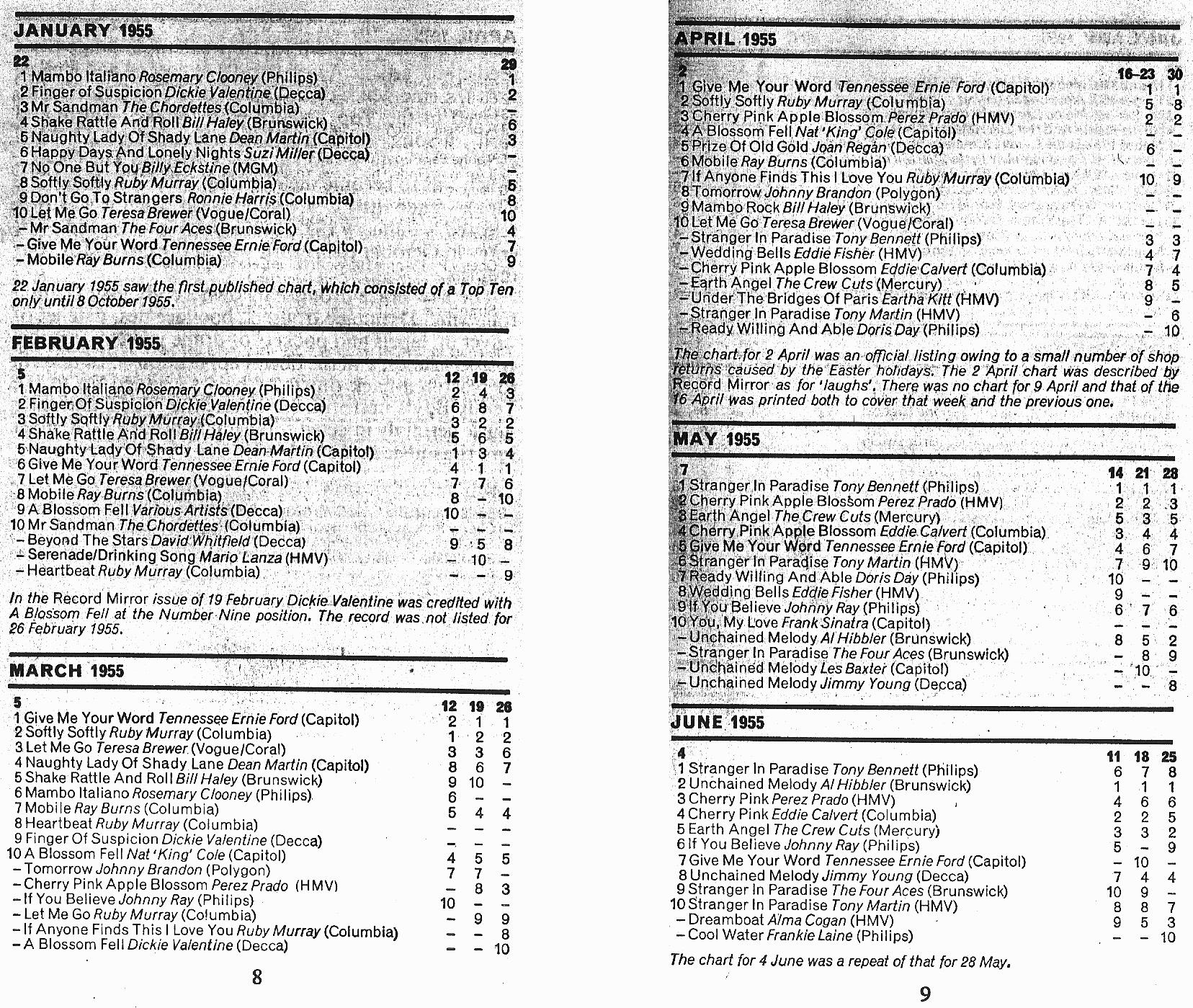
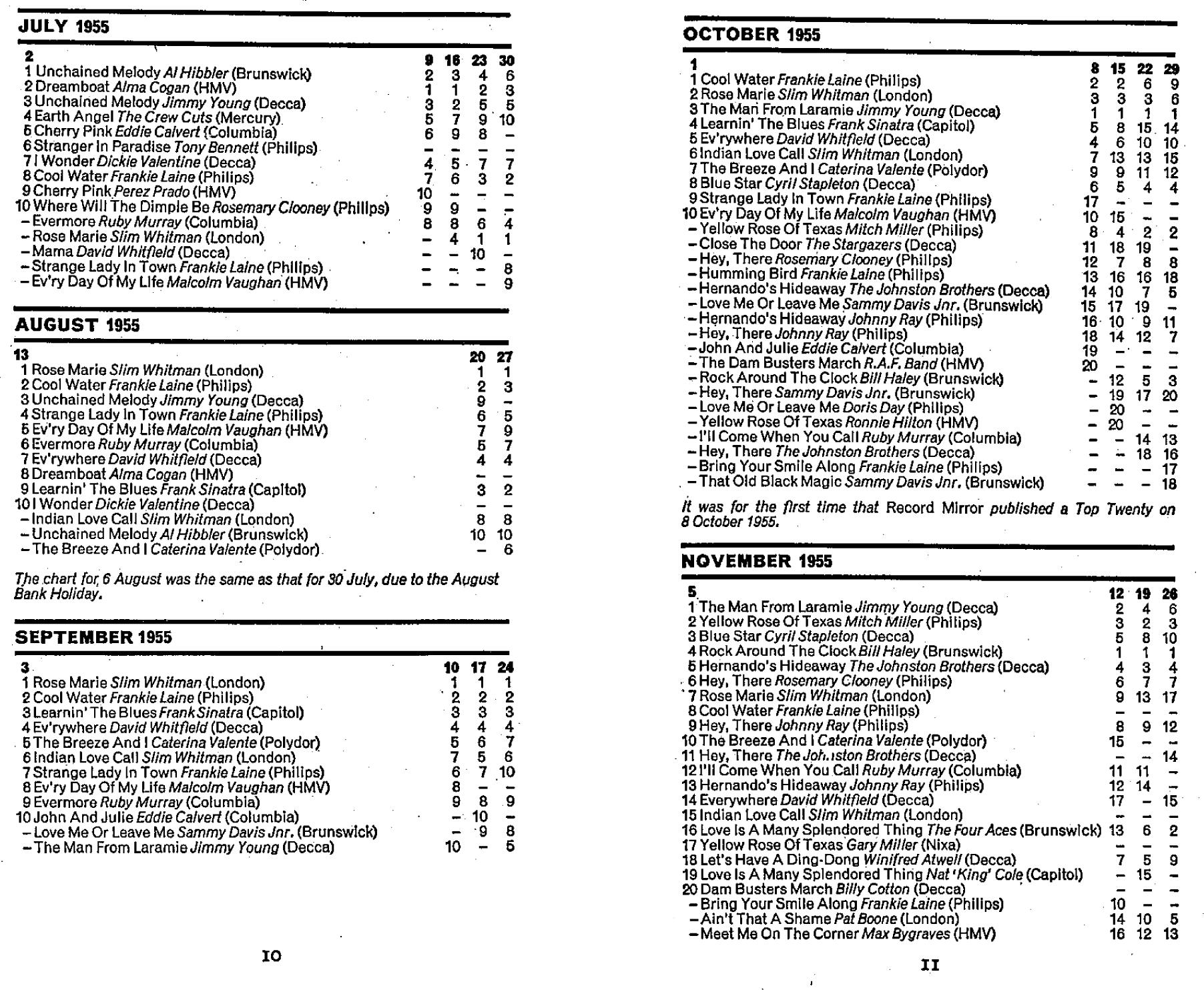
In 1955, three versions of the song – by Les Baxter, Al Hibbler, and Roy Hamilton – charted in the top 10 of the Billboard Hot 100 in the United States. In the United Kingdom, the versions by Hibbler, Baxter, Jimmy Young, and Liberace ranked in the top 20 simultaneously , a record for any song.
The song continued to chart in the 21st century, and until 2014 it was the only song to reach number one with four different recordings in the United Kingdom. Of the hundreds of recordings made, the Righteous Brothers' version, with a solo by Bobby Hatfield, became the jukebox standard after its release.
Hatfield changed the melody in the final verse and many subsequent covers of the song are based on his version. The Righteous Brothers' recording acquired renewed attention when it was featured in the 1990 film Ghost.…
"Unchained Melody" is a 1955 song by Alex North with lyrics by Hy Zaret. North composed the music as a theme for Unchained (1955), a prison film. The version of the song in the film's soundtrack was sung by Todd Duncan.
It has since become a standard and one of the most recorded songs of the 20th century, with the version recorded by the Righteous Brothers in 1965 notable in its own right. According to the song's publishing administrator, over 1,500 recordings of "Unchained Melody" have been made by more than 670 singers, in multiple languages.
In 1955, three versions of the song – by Les Baxter, Al Hibbler, and Roy Hamilton – charted in the top 10 of the Billboard Hot 100 in the United States. In the United Kingdom, the versions by Hibbler, Baxter, Jimmy Young, and Liberace ranked in the top 20 simultaneously , a record for any song.
The song continued to chart in the 21st century, and until 2014 it was the only song to reach number one with four different recordings in the United Kingdom. Of the hundreds of recordings made, the Righteous Brothers' version, with a solo by Bobby Hatfield, became the jukebox standard after its release.
Hatfield changed the melody in the final verse and many subsequent covers of the song are based on his version. The Righteous Brothers' recording acquired renewed attention when it was featured in the 1990 film Ghost. In 2004, it was number 27 on AFI's 100 Years...100 Songs survey of top tunes in American cinema.
Release
"Unchained Melody" was originally released as the B-side of the single "Hung on You" as the follow-up single to "Just Once in My Life". However, "Hung on You" failed to interest radio DJs, who instead chose to play the B-side, "Unchained Melody".
According to Medley, producer Phil Spector, who would deliberately place a throwaway song that was not meant to be played on the B-side, was so incensed by DJs choosing to play the B-side that he started to call their radio stations to get them to stop playing "Unchained Melody". He failed, though, and the song reached number four on the Billboard Hot 100 chart and number 14 in the UK in 1965.
Text derived from https://en.wikipedia.org/w/index.php?oldid=1378571131 under CC BY-SA 4.0; modifications have been made.