Space Shuttle program
The Space Shuttle program was the fourth human spaceflight program carried out by the U.S. National Aeronautics and Space Administration (NASA), which accomplished routine transportation for Earth-to-orbit crew and cargo from 1981 to 2011. Its official program name was carried over from the 1969 plan for the Space Transportation System (STS) of reusable spacecraft. Only the shuttle and supporting rockets were funded for development; a proposed nuclear lunar shuttle in the plan was canceled in 1972. It flew 135 missions and carried 355 astronauts from 16 countries, many on multiple trips. The Space Shuttle, composed of an orbiter launched with two reusable solid rocket boosters and a disposable external fuel tank, carried up to eight astronauts and up to of payload into low Earth orbit (LEO). When its mission was complete, the orbiter would reenter the Earth's atmosphere and land like a glider at either the Kennedy Space Center or Edwards Air Force Base. The Shuttle is the only winged crewed spacecraft to have achieved orbit and landing, and the first reusable crewed space vehicle that made multiple flights into orbit. Its missions involved carrying large payloads to various orbits including the International Space Station (ISS), providing crew rotation for the space station, and performing service missions on the Hubble Space Telescope.…
The Space Shuttle program was the fourth human spaceflight program carried out by the U.S. National Aeronautics and Space Administration (NASA), which accomplished routine transportation for Earth-to-orbit crew and cargo from 1981 to 2011. Its official program name was carried over from the 1969 plan for the Space Transportation System (STS) of reusable spacecraft. Only the shuttle and supporting rockets were funded for development; a proposed nuclear lunar shuttle in the plan was canceled in 1972. It flew 135 missions and carried 355 astronauts from 16 countries, many on multiple trips. The Space Shuttle, composed of an orbiter launched with two reusable solid rocket boosters and a disposable external fuel tank, carried up to eight astronauts and up to of payload into low Earth orbit (LEO). When its mission was complete, the orbiter would reenter the Earth's atmosphere and land like a glider at either the Kennedy Space Center or Edwards Air Force Base. The Shuttle is the only winged crewed spacecraft to have achieved orbit and landing, and the first reusable crewed space vehicle that made multiple flights into orbit. Its missions involved carrying large payloads to various orbits including the International Space Station (ISS), providing crew rotation for the space station, and performing service missions on the Hubble Space Telescope. The orbiter also recovered satellites and other payloads (e.g., from the ISS) from orbit and returned them to Earth, though its use in this capacity was rare. Each vehicle was designed with a projected lifespan of 100 launches, or 10 years' operational life. Original selling points on the shuttles were over 150 launches over a 15-year operational span with a 'launch per month' expected at the peak of the program, but extensive delays in the development of the International Space Station never created such a peak demand for frequent flights. ==Background== Various shuttle concepts had been explored since the late 1960s. The program formally commenced in 1972, becoming the sole focus of NASA's human spaceflight operations after the Apollo, Skylab, and Apollo–Soyuz programs in 1975. The Shuttle was originally conceived of and presented to the public in 1972 as a 'Space Truck' which would, among other things, be used to build a United States space station in low Earth orbit during the 1980s and then be replaced by a new vehicle by the early 1990s. The stalled plans for a U.S. space station evolved into the International Space Station and were formally initiated in 1983 by President Ronald Reagan, but the ISS suffered from long delays, design changes and cost over-runs and forced the service life of the Space Shuttle to be extended several times until 2011 when it was finally retired—serving twice as long as it was originally designed to do. In 2004, according to President George W. Bush's Vision for Space Exploration, use of the Space Shuttle was to be focused almost exclusively on completing assembly of the ISS, which was far behind schedule at that point. The first experimental orbiter, Enterprise, was a high-altitude glider, launched from the back of a specially modified Boeing 747, only for initial atmospheric landing tests (ALT). Enterprises first test flight was on February 18, 1977, only five years after the Shuttle program was formally initiated; leading to the launch of the first space-worthy shuttle Columbia on April 12, 1981, on STS-1. The Space Shuttle program finished with its last mission, STS-135 flown by Atlantis, in July 2011, retiring the final Shuttle in the fleet. The Space Shuttle program formally ended on August 31, 2011. ==Conception and development== ==Program history== (right) with NASA Administrator James Fletcher in January 1972, three months before Congress approved funding for the Shuttle program All Space Shuttle missions were launched from the Kennedy Space Center (KSC) in Florida. Some civilian and military circumpolar Space Shuttle missions were planned for Vandenberg AFB in California. However, the use of Vandenberg AFB for Space Shuttle missions was canceled after the Challenger disaster in 1986. The weather criteria used for launch included, but were not limited to: precipitation, temperatures, cloud cover, lightning forecast, wind, and humidity. The Shuttle was not launched under conditions where it could have been struck by lightning. The first fully functional orbiter was Columbia (designated OV-102), built in Palmdale, California. It was delivered to Kennedy Space Center (KSC) on March 25, 1979, and was first launched on April 12, 1981—the 20th anniversary of Yuri Gagarin's space flight—with a crew of two. Challenger (OV-099) was delivered to KSC in July 1982, Discovery (OV-103) in November 1983, Atlantis (OV-104) in April 1985 and Endeavour (OV-105) in May 1991. Challenger was originally built and used as a Structural Test Article (STA-099), but was converted to a complete orbiter when this was found to be less expensive than converting Enterprise from its Approach and Landing Test configuration into a spaceworthy vehicle. On April 24, 1990, Discovery carried the Hubble Space Telescope into space during STS-31. In the course of 135 missions flown, two orbiters (Columbia and Challenger) suffered catastrophic accidents, with the loss of all crew members, totaling 14 astronauts. The accidents led to national level inquiries, detailed analysis of why the accidents occurred, and significant pauses where changes were made before the Shuttles returned to flight. After the Challenger disaster in January 1986, there was a delay of 32 months before the next Shuttle launch. A similar delay of 29 months occurred after the Columbia disaster in February 2003. The longest Shuttle mission was STS-80 lasting 17 days, 15 hours. The final flight of the Space Shuttle program was STS-135 on July 8, 2011. Since the Shuttle's retirement in 2011, many of its original duties are performed by an assortment of government and private vessels. The European ATV Automated Transfer Vehicle supplied the ISS between 2008 and 2015. Classified military missions are being flown by the US Air Force's uncrewed spaceplane, the X-37B. By 2012, cargo to the International Space Station was already being delivered commercially under NASA's Commercial Resupply Services by SpaceX's partially reusable Dragon spacecraft, followed by Orbital Sciences' Cygnus spacecraft in late 2013. Crew service to the ISS is currently provided by the Russian Soyuz and, since 2020, the SpaceX Dragon 2 crew capsule, launched on the company's reusable Falcon 9 rocket as part of NASA's Commercial Crew Development program. Boeing's Starliner capsule is scheduled to start ISS crew service from 2025. For missions beyond low Earth orbit, NASA is building the Space Launch System and the Orion spacecraft, part of the Artemis program. Spacelab Arrival Ceremony at Kennedy Space Center - GPN-2002-000088.jpg|NASA Administrator address the crowd at the Spacelab arrival ceremony in February 1982. On the podium with him is then-Vice President George Bush, the director general of European Space Agency (ESA), Eric Quistgaard, and director of Kennedy Space Center Richard G. Smith Ronald and Nancy Reagan NASA 1982.jpg|"President Ronald Reagan chats with NASA astronauts Henry Hartsfield and Ken Mattingly on the runway as first lady Nancy Reagan inspects the nose of Space Shuttle Columbia following its Independence Day landing at Edwards Air Force Base on July 4, 1982." STS-3 landing.jpg|STS-3 lands in March 1982 ==Accomplishments== (ISS), 2011 Space Shuttle missions have included: Spacelab missions Including: Science Astronomy Crystal growth Space physics Construction of the International Space Station (ISS) Crew rotation and servicing of Mir and the International Space Station (ISS) Servicing missions, such as to repair the Hubble Space Telescope (HST) and orbiting satellites Human experiments in low Earth orbit (LEO) Carried to low Earth orbit (LEO): The Hubble Space Telescope (HST) Components of the International Space Station (ISS) Supplies in Spacehab modules or Multi-Purpose Logistics Modules The Long Duration Exposure Facility The Upper Atmosphere Research Satellite The Compton Gamma Ray Observatory The Earth Radiation Budget Satellite The Mir Shuttle Docking Node Carried satellites with a booster, such as the Payload Assist Module (PAM-D) or the Inertial Upper Stage (IUS), to the point where the booster sends the satellite to: A higher Earth orbit; these have included: Chandra X-ray Observatory The first six TDRS satellites Two DSCS-III (Defense Satellite Communications System) communications satellites in one mission A Defense Support Program satellite An interplanetary mission; these have included: Magellan Galileo Ulysses STS-73 landing.jpg|U.S. Shuttle Columbia landing at the end of STS-73, 1995 Spacelab 2 mission.jpg|Space art for the Spacelab 2 mission, showing some of the various experiments in the payload bay. Spacelab was a major European contribution to the Space Shuttle program STS-61-A compartment trainer.jpg|European astronauts prepare for their Spacelab mission, 1984. Astro2 sts67 big.jpg|SpaceLab hardware included a pressurized lab, but also other equipment allowing the Orbiter to serve as a crewed space observatory (Astro-2 mission, 1995, shown) Upgrading Hubble during SM1.jpg|Astronauts Thomas D. Akers and Kathryn C. Thornton install corrective optics on the Hubble Space Telescope during STS-61. ==Budget== as it completes a mission of almost 17 days in space on Runway 22 at Edwards Air Force Base in southern California. Landing occurred at 1:46 pm (EST), March 18, 1995. Early during development of the Space Shuttle, NASA had estimated that the program would cost $7.45 billion ($43 billion in 2011 dollars, adjusting for inflation) in development/non-recurring costs, and $9.3M ($54M in 2011 dollars) per flight. Early estimates for the cost to deliver payload to low-Earth orbit were as low as $118 per pound ($260/kg) of payload ($635/lb or $1,400/kg in 2011 dollars), based on marginal or incremental launch costs, and assuming a 65,000 pound (30 000 kg) payload capacity and 50 launches per year. A more realistic projection of 12 flights per year for the 15-year service life combined with the initial development costs would have resulted in a total cost projection for the program of roughly $54 billion (in 2011 dollars). The total cost of the actual 30-year service life of the Shuttle program through 2011, adjusted for inflation, was $196 billion. In 2010, the incremental cost per flight of the Space Shuttle was $409 million, or to low Earth orbit (LEO). In contrast, the comparable Proton launch vehicle cost was $141 million, or to LEO and the Soyuz 2.1 was $55 million, or , despite these launch vehicles not being reusable. NASA's budget for 2005 allocated 30%, or $5 billion, to Space Shuttle operations; this was decreased in 2006 to a request of $4.3 billion. Non-launch costs account for a significant part of the program budget: for example, during fiscal years 2004 to 2006, NASA spent around $13 billion on the Space Shuttle program, even though the fleet was grounded in the aftermath of the Columbia disaster and there were a total of three launches during this period of time. In fiscal year 2009, NASA budget allocated $2.98 billion for 5 launches to the program, including $490 million for "program integration", $1.03 billion for "flight and ground operations", and $1.46 billion for "flight hardware" (which includes maintenance of orbiters, engines, and the external tank between flights.) Per-launch costs can be measured by dividing the total cost over the life of the program (including buildings, facilities, training, salaries, etc.) by the number of launches. With 135 missions, and the total cost of US$192 billion (in 2010 dollars), this gives approximately $1.5 billion per launch over the life of the Shuttle program. A 2017 study found that carrying one kilogram of cargo to the ISS on the Shuttle cost $272,000 in 2017 dollars, twice the cost of Cygnus and three times that of Dragon. NASA used a management philosophy known as success-oriented management during the Space Shuttle program which historian Alex Roland described in the aftermath of the Columbia disaster as "hoping for the best". Success-oriented management has since been studied by several analysts in the area. ==Disasters== In the course of 135 missions flown, two orbiters were destroyed, with loss of crew totalling 14 astronauts: Challenger – lost 73 seconds after liftoff, STS-51-L, January 28, 1986 Columbia – lost approximately 16 minutes before its expected landing, STS-107, February 1, 2003 There was also one abort-to-orbit and some fatal accidents on the ground during launch preparations. ===STS-51-L (Challenger, 1986)=== Close-up video footage of Challenger during its final launch on January 28, 1986, clearly shows that the problems began due to an O-ring failure on the right solid rocket booster (SRB). The hot plume of gas leaking from the failed joint caused the collapse of the external tank, which then resulted in the orbiter's disintegration due to high aerodynamic stress. The accident resulted in the loss of all seven astronauts on board. Endeavour (OV-105) was built to replace Challenger (using structural spare parts originally intended for the other orbiters) and delivered in May 1991; it was first launched a year later. After the loss of Challenger, NASA grounded the Space Shuttle program for over two years, making numerous safety changes recommended by the Rogers Commission Report, which included a redesign of the SRB joint that failed in the Challenger accident. Other safety changes included a new escape system for use when the orbiter was in controlled flight, improved landing gear tires and brakes, and the reintroduction of pressure suits for Shuttle astronauts (these had been discontinued after STS-4; astronauts wore only coveralls and oxygen helmets from that point on until the Challenger accident). The Shuttle program continued in September 1988 with the launch of Discovery on STS-26. The accidents did not just affect the technical design of the orbiter, but also NASA. Quoting some recommendations made by the post-Challenger Rogers commission: ==Retirement== ==Preservation== Out of the five fully functional shuttle orbiters built, three remain. Enterprise, which was used for atmospheric test flights but not for orbital flight, had many parts taken out for use on the other orbiters. It was later visually restored and was on display at the National Air and Space Museum's Steven F. Udvar-Hazy Center until April 19, 2012. Enterprise was moved to New York City in April 2012 to be displayed at the Intrepid Museum, whose Space Shuttle Pavilion opened on July 19, 2012. Discovery replaced Enterprise at the National Air and Space Museum's Steven F. Udvar-Hazy Center. Atlantis formed part of the Space Shuttle Exhibit at the Kennedy Space Center visitor complex and has been on display there since June 29, 2013, following its refurbishment. On October 14, 2012, Endeavour completed an unprecedented drive on city streets from Los Angeles International Airport to the California Science Center, where it was put on display later that year. The transport from the airport took two days and required major street closures, the removal of over 400 city trees, and extensive work to raise power lines, level the street, and temporarily remove street signs, lamp posts, and other obstacles. Hundreds of volunteers, and fire and police personnel, helped with the transport. Large crowds of spectators waited on the streets to see the shuttle as it passed through the city. Endeavour was initially on display at the Science Center's temporary Samuel Oschin Pavilion (in a horizontal orientation) starting with its arrival in late 2012 until December 31, 2023, when it closed for the construction of its permanent home in the Samuel Oschin Air and Space Center (a planned addition to the California Science Center). Once moved, it will be displayed in launch configuration, along with genuine solid rocket boosters and the last flight-qualified external tank (ET-94). , construction on the new facility has finished, though a reopening date has yet to be announced. ==Crew modules== One area of Space Shuttle applications is an expanded crew. Crews of up to eight have been flown in the Orbiter, but it could have held at least a crew of ten. Various proposals for filling the payload bay with additional passengers were also made as early as 1979. One proposal by Rockwell provided seating for 74 passengers in the Orbiter payload bay, with support for three days in Earth orbit. With a smaller 64 seat orbiter, costs for the late 1980s would be around US$1.5 million per seat per launch. The Rockwell passenger module had two decks, four seats across on top and two on the bottom, including a 25-inch (63.5 cm) wide aisle and extra storage space. Another design was Space Habitation Design Associates 1983 proposal for 72 passengers in the Space Shuttle Payload bay. Passengers were located in 6 sections, each with windows and its own loading ramp at launch, and with seats in different configurations for launch and landing. Another proposal was based on the Spacelab habitation modules, which provided 32 seats in the payload bay in addition to those in the cockpit area. There were some efforts to analyze commercial operation of STS. Using the NASA figure for average cost to launch a Space Shuttle as of 2011 at about $450 million per mission, a cost per seat for a 74 seat module envisioned by Rockwell came to less than $6 million, not including the regular crew. Some passenger modules used hardware similar to existing equipment, such as the tunnel, which was also needed for Spacehab and Spacelab ==Successors== During the three decades of operation, various follow-on and replacements for the STS Space Shuttle were partially developed but not finished. Examples of possible future space vehicles to supplement or supplant STS: Advanced Crewed Earth-to-Orbit Vehicle Shuttle II, Johnson Space Center concept for a follow-on, with 2 boosters and 2 tanks mounted on its wings. National Aero-Space Plane (NASP) Rockwell X-30 (not funded) VentureStar, SSTO spacelane concept using an aerospike engine. Lockheed Martin X-33 (cancelled 2001) Ares I (ended with Constellation cancellation) Orbital Space Plane Program One effort in the direction of space transportation was the Reusable Launch Vehicle (RLV) program, initiated in 1994 by NASA. This led to work on the X-33 and X-34 vehicles. NASA spent about US$1 billion on developing the X-33 hoping for it be in operation by 2005. Another program around the turn of the millennium was the Space Launch Initiative, which was a next generation launch initiative. The Space Launch Initiative program was started in 2001, and in late 2002 it was evolved into two programs, the Orbital Space Plane Program and the Next Generation Launch Technology program. OSP was oriented towards provided access to the International Space Station. Other vehicles that would have taken over some of the Shuttles responsibilities were the HL-20 Personnel Launch System or the NASA X-38 of the Crew Return Vehicle program, which were primarily for getting people down from ISS. The X-38 was cancelled in 2002, and the HL-20 was cancelled in 1993. Several other programs in this existed such as the Station Crew Return Alternative Module (SCRAM) and Assured Crew Return Vehicle (ACRV) According to the 2004 Vision for Space Exploration, the next human NASA program was to be Constellation program with its Ares I and Ares V launch vehicles and the Orion spacecraft; however, the Constellation program was never fully funded, and in early 2010 the Obama administration asked Congress to instead endorse a plan with heavy reliance on the private sector for delivering cargo and crew to LEO. The Commercial Orbital Transportation Services (COTS) program began in 2006 with the purpose of creating commercially operated uncrewed cargo vehicles to service the ISS. The first of these vehicles, SpaceX Dragon 1, became operational in 2012, and the second, Orbital Sciences's Cygnus did so in 2014. The Commercial Crew Development (CCDev) program was initiated in 2010 with the purpose of creating commercially operated crewed spacecraft capable of delivering at least four crew members to the ISS, staying docked for 180 days and then returning them back to Earth. These spacecraft, like SpaceX's Dragon 2 and Boeing CST-100 Starliner were expected to become operational around 2020. On the Crew Dragon Demo-2 mission, SpaceX's Dragon 2 sent astronauts to the ISS, restoring America's human launch capability. The first operational SpaceX mission launched on November 15, 2020, at 7:27:17 p.m. ET, carrying four astronauts to the ISS. Although the Constellation program was canceled, it has been replaced with a very similar Artemis program. The Orion spacecraft has been left virtually unchanged from its previous design. The planned Ares V rocket has been replaced with the smaller Space Launch System (SLS), which is planned to launch both Orion and other necessary hardware. Exploration Flight Test-1 (EFT-1), an uncrewed test flight of the Orion spacecraft, launched on December 5, 2014, on a Delta IV Heavy rocket. Artemis I is the first flight of the SLS and was launched as a test of the completed Orion and SLS system. During the mission, an uncrewed Orion capsule spent 10 days in a distant retrograde orbit around the Moon before returning to Earth. Artemis II, the first crewed mission of the program, launched on April 1, 2026 on a free-return flyby of the Moon at a distance of . Artemis III, a low Earth orbit mission, is planned to launch in 2027. Artemis IV is planned to touch down on the lunar south pole region in 2028, with two astronauts staying there for about one week. For many Artemis missions, the Space Launch System's two solid rocket boosters' engines and casings and four main engines and the Orion spacecraft's main engine will all be previously flown Space Shuttle main engines, solid rocket boosters, and Orbital Maneuvering System engines. They are refurbished legacy engines from the Space Shuttle program, some of which even date back to the early 1980s. For example, Artemis I had components that flew on 83 of the 135 Space Shuttle missions. From Artemis I to Artemis IV recycled Shuttle main engines will be used before manufacturing new engines. From Artemis I to Artemis III recycled Shuttle solid rocket boosters' engines and steel casings will be used before manufacturing new ones. From Artemis I to Artemis VI the Orion main engine will use six previously flown Space Shuttle OMS engines. Twin Linear Aerospike XRS-2200 Engine PLW edit.jpg|Linear aerospike engine for the cancelled X-33 COTS2Dragon.2..jpg|The Dragon spacecraft, one of the Space Shuttle's several successors, is seen here on its way to deliver cargo to the ISS Orion Spacecraft ArtemisI DEC2019 PBS.jpg|NASA's Orion Spacecraft for the Artemis I mission seen in Plum Brook On December 1, 2019 SLS CS1 JAN1 2020-1.jpg|The Core Stage for the Space Launch System rocket for Artemis I Spacelaunchsystem-enginesection-jan2020.jpg|The Space Launch System Core Stage rolling out of the Michoud Facility for shipping to Stennis Boeing's Starliner crew ship approaches the space station (iss067e066735) (cropped).jpg|The Boeing CST-100 Starliner spacecraft in the process of docking to the International Space Station Crew Dragon at the ISS for Demo Mission 1 (cropped).jpg|The SpaceX Crew Dragon in the process of docking to the International Space Station ==Assets and transition plan== The Space Shuttle program occupied over 654 facilities, used over 1.2 million line items of equipment, and employed over 5,000 people. The total value of equipment was over $12 billion. Shuttle-related facilities represented over a quarter of NASA's inventory. There were over 1,200 active suppliers to the program throughout the United States. NASA's transition plan had the program operating through 2010 with a transition and retirement phase lasting through 2015. During this time, the Ares I and Orion as well as the Altair Lunar Lander were to be under development, although these programs have since been canceled. In the 2010s, two major programs for human spaceflight are Commercial Crew Program and the Artemis program. Kennedy Space Center Launch Complex 39A is, for example, used to launch Falcon Heavy and Falcon 9. ==Criticism== ==Support vehicles== Many other vehicles were used in support of the Space Shuttle program, mainly terrestrial transportation vehicles. The crawler-transporter carried the mobile launcher platform and the Space Shuttle from the Vehicle Assembly Building (VAB) to Launch Complex 39, originally built for Project Apollo. The Shuttle Carrier Aircraft (SCA) were two modified Boeing 747s. Either could fly an orbiter from alternative landing sites back to the Kennedy Space Center. These aircraft were retired to the Joe Davies Heritage Airpark at the Armstrong Flight Research Center and Space Center Houston. A 36-wheeled transport trailer, the Orbiter Transfer System, originally built for the U.S. Air Force's launch facility at Vandenberg Air Force Base in California (since then converted for Delta IV rockets) would transport the orbiter from the landing facility to the launch pad, which allowed both "stacking" and launch without utilizing a separate VAB-style building and crawler-transporter roadway. Prior to the closing of the Vandenberg facility, orbiters were transported from the OPF to the VAB on their undercarriages, only to be raised when the orbiter was being lifted for attachment to the SRB/ET stack. The trailer allowed the transportation of the orbiter from the OPF to either the SCA "Mate-Demate" stand or the VAB without placing any additional stress on the undercarriage. The Crew Transport Vehicle (CTV), a modified airport jet bridge, was used to assist astronauts to egress from the orbiter after landing. Upon entering the CTV, astronauts could take off their launch and reentry suits then proceed to chairs and beds for medical checks before being transported back to the crew quarters in the Operations and Checkout Building. Originally built for Project Apollo. The Astrovan was used to transport astronauts from the crew quarters in the Operations and Checkout Building to the launch pad on launch day. It was also used to transport astronauts back again from the Crew Transport Vehicle at the Shuttle Landing Facility. The three locomotives serving the NASA Railroad, used to transport segments of the Space Shuttle Solid Rocket Boosters, were determined to be no longer needed for day-to-day operation at the Kennedy Space Center. In April 2015, locomotive No. 1 was sent to Natchitoches Parish Port and No. 3 sent to the Madison Railroad. Locomotive No. 2 was sent to the Gold Coast Railroad Museum in 2014. Crawler-Transporter.jpg|Crawler-transporter No.2 ("Franz") in a December 2004 road test after track shoe replacement Shuttle mate demate facility.jpg|Atlantis being prepared to be mated to the Shuttle Carrier Aircraft using the Mate-Demate Device following STS-44. Freedom Star with SRB.JPG|MV Freedom Star was a NASA recovery ship for the Space Shuttle Solid Rocket Boosters ==See also== List of human spaceflights List of Space Shuttle missions List of spaceflight-related accidents and incidents List of Space Shuttle crews Simulation Physics Other spaceflight programs Similar vehicles Dream Chaser – Commercial space glider for flying either cargo or a crew to the ISS ==References== Footnotes Citations ==Further reading== Shuttle Reference manual Orbiter Vehicles Shuttle Program Funding 1992–2002 NASA Space Shuttle News Reference – 1981 (PDF document) R. A. Pielke, "Space Shuttle Value open to Interpretation", Aviation Week, issue 26. July 1993, p. 57 (.pdf) ==External links== Official NASA Mission Site NASA Johnson Space Center Space Shuttle Site Official Space Shuttle Mission Archives NASA Space Shuttle Multimedia Gallery & Archives Shuttle audio, video, and images – searchable archives from STS-67 (1995) to present Kennedy Space Center Media Gallery – searchable video/audio/photo gallery Congressional Research Service (CRS) Reports regarding the Space Shuttle U.S. Space Flight History: Space Shuttle Program Weather criteria for Shuttle launch Consolidated Launch Manifest: Space Shuttle Flights and ISS Assembly Sequence USENET posting – Unofficial Space FAQ by Jon Leech
References
- The program was suspended between 1986 and 1988 and between 2003 and 2005 after catastrophic failures. Wikipedia revision 1375369886, retrieved 2026-11-19 · retrieved 2026-11-18 · rev 1375369886
Cite this reference
MLA "The program was suspended between 1986 and 1988 and between 2003 and 2005 after catastrophic failures. Wikipedia revision 1375369886, retrieved 2026-11-19." The program was suspended between 1986 and 1988 and between 2003 and 2005 after catastrophic failures. 2026-11-18. https://en.wikipedia.org/w/index.php?oldid=1375369886. Accessed 24 November 2026.
Chicago "The program was suspended between 1986 and 1988 and between 2003 and 2005 after catastrophic failures. Wikipedia revision 1375369886, retrieved 2026-11-19." The program was suspended between 1986 and 1988 and between 2003 and 2005 after catastrophic failures. 2026-11-18. https://en.wikipedia.org/w/index.php?oldid=1375369886.
APA The program was suspended between 1986 and 1988 and between 2003 and 2005 after catastrophic failures. (2026). The program was suspended between 1986 and 1988 and between 2003 and 2005 after catastrophic failures. Wikipedia revision 1375369886, retrieved 2026-11-19. Retrieved November 24, 2026, from https://en.wikipedia.org/w/index.php?oldid=1375369886
- Secretive US space plane X-37B lands after record 908 days in orbit · retrieved 2026-11-18 · rev 1375369886
Cite this reference
MLA "Secretive US space plane X-37B lands after record 908 days in orbit." 2026-11-18. https://www.newscientist.com/article/2346762-secretive-us-space-plane-x-37b-lands-after-record-908-days-in-orbit/. Accessed 24 November 2026.
Chicago "Secretive US space plane X-37B lands after record 908 days in orbit." 2026-11-18. https://www.newscientist.com/article/2346762-secretive-us-space-plane-x-37b-lands-after-record-908-days-in-orbit/.
APA encyclopegia.org. (2026). Secretive US space plane X-37B lands after record 908 days in orbit. Retrieved November 24, 2026, from https://www.newscientist.com/article/2346762-secretive-us-space-plane-x-37b-lands-after-record-908-days-in-orbit/
- NASA, Partners Update Commercial Crew Launch Dates · retrieved 2026-11-18 · rev 1375369886
Cite this reference
MLA "NASA, Partners Update Commercial Crew Launch Dates." 2026-11-18. https://blogs.nasa.gov/commercialcrew/2019/02/06/. Accessed 24 November 2026.
Chicago "NASA, Partners Update Commercial Crew Launch Dates." 2026-11-18. https://blogs.nasa.gov/commercialcrew/2019/02/06/.
APA encyclopegia.org. (2026). NASA, Partners Update Commercial Crew Launch Dates. Retrieved November 24, 2026, from https://blogs.nasa.gov/commercialcrew/2019/02/06/
- Independence Day at NASA Dryden – 30 Years Ago · retrieved 2026-11-18 · rev 1375369886
Cite this reference
MLA "Independence Day at NASA Dryden – 30 Years Ago." Administrator, NASA (March 6, 2016). 2026-11-18. https://web.archive.org/web/20230405093159/https://www.nasa.gov/centers/dryden/Features/STS-4_30th_anniversary.html. Accessed 24 November 2026.
Chicago "Independence Day at NASA Dryden – 30 Years Ago." Administrator, NASA (March 6, 2016). 2026-11-18. https://web.archive.org/web/20230405093159/https://www.nasa.gov/centers/dryden/Features/STS-4_30th_anniversary.html.
APA Administrator, NASA (March 6, 2016). (2026). Independence Day at NASA Dryden – 30 Years Ago. Retrieved November 24, 2026, from https://web.archive.org/web/20230405093159/https://www.nasa.gov/centers/dryden/Features/STS-4_30th_anniversary.html
- Bulletin of the Atomic Scientists . February 1973. p. 39. Wikipedia revision 1375369886, retrieved 2026-11-19 · retrieved 2026-11-18 · rev 1375369886
Cite this reference
MLA "Bulletin of the Atomic Scientists . February 1973. p. 39. Wikipedia revision 1375369886, retrieved 2026-11-19." Bulletin of the Atomic Scientists. 2026-11-18. https://en.wikipedia.org/w/index.php?oldid=1375369886. Accessed 24 November 2026.
Chicago "Bulletin of the Atomic Scientists . February 1973. p. 39. Wikipedia revision 1375369886, retrieved 2026-11-19." Bulletin of the Atomic Scientists. 2026-11-18. https://en.wikipedia.org/w/index.php?oldid=1375369886.
APA Bulletin of the Atomic Scientists. (2026). Bulletin of the Atomic Scientists . February 1973. p. 39. Wikipedia revision 1375369886, retrieved 2026-11-19. Retrieved November 24, 2026, from https://en.wikipedia.org/w/index.php?oldid=1375369886
- NASA (2003) Columbia Accident Investigation Board Public Hearing Transcript Archived August 12, 2006, at the Wayback Machine Wikipedia revision 1375369886, retrieved 2026-11-19 · retrieved 2026-11-18 · rev 1375369886
Cite this reference
MLA "NASA (2003) Columbia Accident Investigation Board Public Hearing Transcript Archived August 12, 2006, at the Wayback Machine Wikipedia revision 1375369886, retrieved 2026-11-19." NASA (2003) Columbia Accident Investigation Board Public Hearing Transcript Archived August 12, 2006, at the Wayback Mac. 2026-11-18. http://caib.nasa.gov/events/public_hearings/20030423/transcript_am.html. Accessed 24 November 2026.
Chicago "NASA (2003) Columbia Accident Investigation Board Public Hearing Transcript Archived August 12, 2006, at the Wayback Machine Wikipedia revision 1375369886, retrieved 2026-11-19." NASA (2003) Columbia Accident Investigation Board Public Hearing Transcript Archived August 12, 2006, at the Wayback Mac. 2026-11-18. http://caib.nasa.gov/events/public_hearings/20030423/transcript_am.html.
APA NASA (2003) Columbia Accident Investigation Board Public Hearing Transcript Archived August 12, 2006, at the Wayback Mac. (2026). NASA (2003) Columbia Accident Investigation Board Public Hearing Transcript Archived August 12, 2006, at the Wayback Machine Wikipedia revision 1375369886, retrieved 2026-11-19. Retrieved November 24, 2026, from http://caib.nasa.gov/events/public_hearings/20030423/transcript_am.html
- The Last Days of the Nuclear Shuttle (1971) · retrieved 2026-11-18 · rev 1375369886
Cite this reference
MLA "The Last Days of the Nuclear Shuttle (1971)." Portree, David S. 2026-11-18. https://www.wired.com/2012/09/nuclear-flight-system-definition-studies-1971/. Accessed 24 November 2026.
Chicago "The Last Days of the Nuclear Shuttle (1971)." Portree, David S. 2026-11-18. https://www.wired.com/2012/09/nuclear-flight-system-definition-studies-1971/.
APA Portree, David S. (2026). The Last Days of the Nuclear Shuttle (1971). Retrieved November 24, 2026, from https://www.wired.com/2012/09/nuclear-flight-system-definition-studies-1971/
- NASA Budget Information · retrieved 2026-11-18 · rev 1375369886
Cite this reference
MLA "NASA Budget Information." 2026-11-18. http://www.nasa.gov/news/budget/index.html. Accessed 24 November 2026.
Chicago "NASA Budget Information." 2026-11-18. http://www.nasa.gov/news/budget/index.html.
APA encyclopegia.org. (2026). NASA Budget Information. Retrieved November 24, 2026, from http://www.nasa.gov/news/budget/index.html
- NASA wants shuttle to fly despite safety misgivings · retrieved 2026-11-18 · rev 1375369886
Cite this reference
MLA "NASA wants shuttle to fly despite safety misgivings." Chien, Philip (June 26, 2006). 2026-11-18. https://www.washingtontimes.com/news/2006/jun/26/20060626-110227-5543r/. Accessed 24 November 2026.
Chicago "NASA wants shuttle to fly despite safety misgivings." Chien, Philip (June 26, 2006). 2026-11-18. https://www.washingtontimes.com/news/2006/jun/26/20060626-110227-5543r/.
APA Chien, Philip (June 26, 2006). (2026). NASA wants shuttle to fly despite safety misgivings. Retrieved November 24, 2026, from https://www.washingtontimes.com/news/2006/jun/26/20060626-110227-5543r/
- Dumping NASA's New Ares I Rocket Would Cost Billions · retrieved 2026-11-18 · rev 1375369886
Cite this reference
MLA "Dumping NASA's New Ares I Rocket Would Cost Billions." Halvorson, Todd (August 12, 2009). 2026-11-18. https://www.space.com/7126-dumping-nasa-ares-rocket-cost-billions.html. Accessed 24 November 2026.
Chicago "Dumping NASA's New Ares I Rocket Would Cost Billions." Halvorson, Todd (August 12, 2009). 2026-11-18. https://www.space.com/7126-dumping-nasa-ares-rocket-cost-billions.html.
APA Halvorson, Todd (August 12, 2009). (2026). Dumping NASA's New Ares I Rocket Would Cost Billions. Retrieved November 24, 2026, from https://www.space.com/7126-dumping-nasa-ares-rocket-cost-billions.html
- NASA's Artemis I mission to launch using space shuttle-used parts · retrieved 2026-11-18 · rev 1375369886
Cite this reference
MLA "NASA's Artemis I mission to launch using space shuttle-used parts." 2026-11-18. https://web.archive.org/web/20220831011522/http://www.collectspace.com/news/news-082422a-artemis-i-space-shuttle-hardware.html. Accessed 24 November 2026.
Chicago "NASA's Artemis I mission to launch using space shuttle-used parts." 2026-11-18. https://web.archive.org/web/20220831011522/http://www.collectspace.com/news/news-082422a-artemis-i-space-shuttle-hardware.html.
APA encyclopegia.org. (2026). NASA's Artemis I mission to launch using space shuttle-used parts. Retrieved November 24, 2026, from https://web.archive.org/web/20220831011522/http://www.collectspace.com/news/news-082422a-artemis-i-space-shuttle-hardware.html
- Fired Up: Engines and Motors Put Artemis Mission in Motion · retrieved 2026-11-18 · rev 1375369886
Cite this reference
MLA "Fired Up: Engines and Motors Put Artemis Mission in Motion." Harbaugh, Jennifer A. 2026-11-18. https://www.nasa.gov/missions/artemis/orion/fired-up-engines-and-motors-put-artemis-mission-in-motion/. Accessed 24 November 2026.
Chicago "Fired Up: Engines and Motors Put Artemis Mission in Motion." Harbaugh, Jennifer A. 2026-11-18. https://www.nasa.gov/missions/artemis/orion/fired-up-engines-and-motors-put-artemis-mission-in-motion/.
APA Harbaugh, Jennifer A. (2026). Fired Up: Engines and Motors Put Artemis Mission in Motion. Retrieved November 24, 2026, from https://www.nasa.gov/missions/artemis/orion/fired-up-engines-and-motors-put-artemis-mission-in-motion/
- SLS (Space Launch System) Solid Rocket Booster · retrieved 2026-11-18 · rev 1375369886
Cite this reference
MLA "SLS (Space Launch System) Solid Rocket Booster." 2026-11-18. https://www.nasa.gov/reference/sls-space-launch-system-solid-rocket-booster/. Accessed 24 November 2026.
Chicago "SLS (Space Launch System) Solid Rocket Booster." 2026-11-18. https://www.nasa.gov/reference/sls-space-launch-system-solid-rocket-booster/.
APA encyclopegia.org. (2026). SLS (Space Launch System) Solid Rocket Booster. Retrieved November 24, 2026, from https://www.nasa.gov/reference/sls-space-launch-system-solid-rocket-booster/
- Space Shuttle Atlantis Exhibit Opens with Support from Souvenirs · retrieved 2026-11-18 · rev 1375369886
Cite this reference
MLA "Space Shuttle Atlantis Exhibit Opens with Support from Souvenirs." 2026-11-18. https://news.yahoo.com/space-shuttle-atlantis-exhibit-opens-support-souvenirs-180805853.html. Accessed 24 November 2026.
Chicago "Space Shuttle Atlantis Exhibit Opens with Support from Souvenirs." 2026-11-18. https://news.yahoo.com/space-shuttle-atlantis-exhibit-opens-support-souvenirs-180805853.html.
APA encyclopegia.org. (2026). Space Shuttle Atlantis Exhibit Opens with Support from Souvenirs. Retrieved November 24, 2026, from https://news.yahoo.com/space-shuttle-atlantis-exhibit-opens-support-souvenirs-180805853.html
- California Science Center breaks ground on space shuttle Endeavour's new vertical home · retrieved 2026-11-18 · rev 1375369886
Cite this reference
MLA "California Science Center breaks ground on space shuttle Endeavour's new vertical home." 2026-11-18. https://www.dailynews.com/2022/06/01/space-shuttle-endeavour-to-get-new-la-home-in-mammoth-pavilion-will-stand-tall-for-crowds/. Accessed 24 November 2026.
Chicago "California Science Center breaks ground on space shuttle Endeavour's new vertical home." 2026-11-18. https://www.dailynews.com/2022/06/01/space-shuttle-endeavour-to-get-new-la-home-in-mammoth-pavilion-will-stand-tall-for-crowds/.
APA encyclopegia.org. (2026). California Science Center breaks ground on space shuttle Endeavour's new vertical home. Retrieved November 24, 2026, from https://www.dailynews.com/2022/06/01/space-shuttle-endeavour-to-get-new-la-home-in-mammoth-pavilion-will-stand-tall-for-crowds/
- The Soviet shuttle Buran was very similar and was designed to have the same capabilities but made only one uncrewed spaceflight before it was cancelled. Wikipedia revision 1375369886, retrieved 2026-11-19 · retrieved 2026-11-18 · rev 1375369886
Cite this reference
MLA "The Soviet shuttle Buran was very similar and was designed to have the same capabilities but made only one uncrewed spaceflight before it was cancelled. Wikipedia revision 1375369886, retrieved 2026-11-19." The Soviet shuttle Buran was very similar and was designed to have the same capabilities but made only one uncrewed spac. 2026-11-18. https://en.wikipedia.org/wiki/Buran_(spacecraft). Accessed 24 November 2026.
Chicago "The Soviet shuttle Buran was very similar and was designed to have the same capabilities but made only one uncrewed spaceflight before it was cancelled. Wikipedia revision 1375369886, retrieved 2026-11-19." The Soviet shuttle Buran was very similar and was designed to have the same capabilities but made only one uncrewed spac. 2026-11-18. https://en.wikipedia.org/wiki/Buran_(spacecraft).
APA The Soviet shuttle Buran was very similar and was designed to have the same capabilities but made only one uncrewed spac. (2026). The Soviet shuttle Buran was very similar and was designed to have the same capabilities but made only one uncrewed spaceflight before it was cancelled. Wikipedia revision 1375369886, retrieved 2026-11-19. Retrieved November 24, 2026, from https://en.wikipedia.org/wiki/Buran_(spacecraft)
- Construction wraps on California Science Center's building that will house Space Shuttle Endeavour · retrieved 2026-11-18 · rev 1375369886
Cite this reference
MLA "Construction wraps on California Science Center's building that will house Space Shuttle Endeavour." Garske, Monica (April 13, 2026). 2026-11-18. https://www.nbclosangeles.com/news/local/california-science-center-space-shuttle-endeavour/3875216/. Accessed 24 November 2026.
Chicago "Construction wraps on California Science Center's building that will house Space Shuttle Endeavour." Garske, Monica (April 13, 2026). 2026-11-18. https://www.nbclosangeles.com/news/local/california-science-center-space-shuttle-endeavour/3875216/.
APA Garske, Monica (April 13, 2026). (2026). Construction wraps on California Science Center's building that will house Space Shuttle Endeavour. Retrieved November 24, 2026, from https://www.nbclosangeles.com/news/local/california-science-center-space-shuttle-endeavour/3875216/
- Commercial Orbital Transportation Services · retrieved 2026-11-18 · rev 1375369886
Cite this reference
MLA "Commercial Orbital Transportation Services." "Commercial Orbital Transportation Services" (PDF). 2026-11-18. https://www.nasa.gov/sites/default/files/files/SP-2014-617.pdf. Accessed 24 November 2026.
Chicago "Commercial Orbital Transportation Services." "Commercial Orbital Transportation Services" (PDF). 2026-11-18. https://www.nasa.gov/sites/default/files/files/SP-2014-617.pdf.
APA "Commercial Orbital Transportation Services" (PDF). (2026). Commercial Orbital Transportation Services. Retrieved November 24, 2026, from https://www.nasa.gov/sites/default/files/files/SP-2014-617.pdf
- Shuttle II · retrieved 2026-11-18 · rev 1375369886
Cite this reference
MLA "Shuttle II." 2026-11-18. https://web.archive.org/web/20161228021051/http://astronautix.com/s/shuttleii.html. Accessed 24 November 2026.
Chicago "Shuttle II." 2026-11-18. https://web.archive.org/web/20161228021051/http://astronautix.com/s/shuttleii.html.
APA encyclopegia.org. (2026). Shuttle II. Retrieved November 24, 2026, from https://web.archive.org/web/20161228021051/http://astronautix.com/s/shuttleii.html
- X-38 project's cancellation irks NASA, partners · retrieved 2026-11-18 · rev 1375369886
Cite this reference
MLA "X-38 project's cancellation irks NASA, partners." 2026-11-18. http://www.chron.com/news/nation-world/article/X-38-project-s-cancellation-irks-NASA-partners-2064969.php. Accessed 24 November 2026.
Chicago "X-38 project's cancellation irks NASA, partners." 2026-11-18. http://www.chron.com/news/nation-world/article/X-38-project-s-cancellation-irks-NASA-partners-2064969.php.
APA encyclopegia.org. (2026). X-38 project's cancellation irks NASA, partners. Retrieved November 24, 2026, from http://www.chron.com/news/nation-world/article/X-38-project-s-cancellation-irks-NASA-partners-2064969.php
- HL-20 – Lifting Body Spaceplane for Personnel Launch System · retrieved 2026-11-18 · rev 1375369886
Cite this reference
MLA "HL-20 – Lifting Body Spaceplane for Personnel Launch System." 2026-11-18. http://www.aerospaceguide.net/hl_20.html. Accessed 24 November 2026.
Chicago "HL-20 – Lifting Body Spaceplane for Personnel Launch System." 2026-11-18. http://www.aerospaceguide.net/hl_20.html.
APA encyclopegia.org. (2026). HL-20 – Lifting Body Spaceplane for Personnel Launch System. Retrieved November 24, 2026, from http://www.aerospaceguide.net/hl_20.html
- NASA ACRV · retrieved 2026-11-18 · rev 1375369886
Cite this reference
MLA "NASA ACRV." 2026-11-18. https://web.archive.org/web/20161224031240/http://www.astronautix.com/n/nasaacrv.html. Accessed 24 November 2026.
Chicago "NASA ACRV." 2026-11-18. https://web.archive.org/web/20161224031240/http://www.astronautix.com/n/nasaacrv.html.
APA encyclopegia.org. (2026). NASA ACRV. Retrieved November 24, 2026, from https://web.archive.org/web/20161224031240/http://www.astronautix.com/n/nasaacrv.html
- NASA Selects Crew and Cargo Transportation to Orbit Partners · retrieved 2026-11-18 · rev 1375369886
Cite this reference
MLA "NASA Selects Crew and Cargo Transportation to Orbit Partners." "NASA Selects Crew and Cargo Transportation to Orbit Partners" (Press release). 2026-11-18. https://web.archive.org/web/20110820074547/http://www.nasa.gov/home/hqnews/2006/aug/HQ_06295_COTS_phase_1.html. Accessed 24 November 2026.
Chicago "NASA Selects Crew and Cargo Transportation to Orbit Partners." "NASA Selects Crew and Cargo Transportation to Orbit Partners" (Press release). 2026-11-18. https://web.archive.org/web/20110820074547/http://www.nasa.gov/home/hqnews/2006/aug/HQ_06295_COTS_phase_1.html.
APA "NASA Selects Crew and Cargo Transportation to Orbit Partners" (Press release). (2026). NASA Selects Crew and Cargo Transportation to Orbit Partners. Retrieved November 24, 2026, from https://web.archive.org/web/20110820074547/http://www.nasa.gov/home/hqnews/2006/aug/HQ_06295_COTS_phase_1.html
- ISS partners prepare to welcome SpaceX and Orbital in a busy 2012 · retrieved 2026-11-18 · rev 1375369886
Cite this reference
MLA "ISS partners prepare to welcome SpaceX and Orbital in a busy 2012." Bergin, Chris (October 6, 2011). 2026-11-18. http://www.nasaspaceflight.com/2011/10/iss-partners-welcome-spacex-orbital-busy-2012/. Accessed 24 November 2026.
Chicago "ISS partners prepare to welcome SpaceX and Orbital in a busy 2012." Bergin, Chris (October 6, 2011). 2026-11-18. http://www.nasaspaceflight.com/2011/10/iss-partners-welcome-spacex-orbital-busy-2012/.
APA Bergin, Chris (October 6, 2011). (2026). ISS partners prepare to welcome SpaceX and Orbital in a busy 2012. Retrieved November 24, 2026, from http://www.nasaspaceflight.com/2011/10/iss-partners-welcome-spacex-orbital-busy-2012/
- Biggest CCDev Award Goes to Sierra Nevada · retrieved 2026-11-18 · rev 1375369886
Cite this reference
MLA "Biggest CCDev Award Goes to Sierra Nevada." Berger, Brian (February 1, 2011). 2026-11-18. http://www.spacenews.com/venture_space/100201-biggest-ccdev-award-goes-sierra-nevada.html. Accessed 24 November 2026.
Chicago "Biggest CCDev Award Goes to Sierra Nevada." Berger, Brian (February 1, 2011). 2026-11-18. http://www.spacenews.com/venture_space/100201-biggest-ccdev-award-goes-sierra-nevada.html.
APA Berger, Brian (February 1, 2011). (2026). Biggest CCDev Award Goes to Sierra Nevada. Retrieved November 24, 2026, from http://www.spacenews.com/venture_space/100201-biggest-ccdev-award-goes-sierra-nevada.html
- NASA Commercial Crew Program Mission in Sight for 2018 · retrieved 2026-11-18 · rev 1375369886
Cite this reference
MLA "NASA Commercial Crew Program Mission in Sight for 2018." 2026-11-18. https://www.nasa.gov/feature/nasa-commercial-crew-program-mission-in-sight-for-2018. Accessed 24 November 2026.
Chicago "NASA Commercial Crew Program Mission in Sight for 2018." 2026-11-18. https://www.nasa.gov/feature/nasa-commercial-crew-program-mission-in-sight-for-2018.
APA encyclopegia.org. (2026). NASA Commercial Crew Program Mission in Sight for 2018. Retrieved November 24, 2026, from https://www.nasa.gov/feature/nasa-commercial-crew-program-mission-in-sight-for-2018
- NASA Announces Design for New Deep Space Exploration System · retrieved 2026-11-18 · rev 1375369886
Cite this reference
MLA "NASA Announces Design for New Deep Space Exploration System." 2026-11-18. http://www.nasa.gov/exploration/systems/sls/sls1.html. Accessed 24 November 2026.
Chicago "NASA Announces Design for New Deep Space Exploration System." 2026-11-18. http://www.nasa.gov/exploration/systems/sls/sls1.html.
APA encyclopegia.org. (2026). NASA Announces Design for New Deep Space Exploration System. Retrieved November 24, 2026, from http://www.nasa.gov/exploration/systems/sls/sls1.html
- Breaking News | Shannon to review options for deep space exploration · retrieved 2026-11-18 · rev 1375369886
Cite this reference
MLA "Breaking News | Shannon to review options for deep space exploration." 2026-11-18. http://www.spaceflightnow.com/news/n1108/29shannon/. Accessed 24 November 2026.
Chicago "Breaking News | Shannon to review options for deep space exploration." 2026-11-18. http://www.spaceflightnow.com/news/n1108/29shannon/.
APA encyclopegia.org. (2026). Breaking News | Shannon to review options for deep space exploration. Retrieved November 24, 2026, from http://www.spaceflightnow.com/news/n1108/29shannon/
- SLS launches Artemis 1 mission · retrieved 2026-11-18 · rev 1375369886
Cite this reference
MLA "SLS launches Artemis 1 mission." Foust, Jeff (November 16, 2022). 2026-11-18. https://spacenews.com/sls-launches-artemis-1-mission/. Accessed 24 November 2026.
Chicago "SLS launches Artemis 1 mission." Foust, Jeff (November 16, 2022). 2026-11-18. https://spacenews.com/sls-launches-artemis-1-mission/.
APA Foust, Jeff (November 16, 2022). (2026). SLS launches Artemis 1 mission. Retrieved November 24, 2026, from https://spacenews.com/sls-launches-artemis-1-mission/
- Report No. IG-20-018: NASA's Management of the Orion Multi-Purpose Crew Vehicle Program · retrieved 2026-11-18 · rev 1375369886
Cite this reference
MLA "Report No. IG-20-018: NASA's Management of the Orion Multi-Purpose Crew Vehicle Program." "Report No. 2026-11-18. https://www.oversight.gov/sites/default/files/oig-reports/IG-20-018.pdf. Accessed 24 November 2026.
Chicago "Report No. IG-20-018: NASA's Management of the Orion Multi-Purpose Crew Vehicle Program." "Report No. 2026-11-18. https://www.oversight.gov/sites/default/files/oig-reports/IG-20-018.pdf.
APA "Report No. (2026). Report No. IG-20-018: NASA's Management of the Orion Multi-Purpose Crew Vehicle Program. Retrieved November 24, 2026, from https://www.oversight.gov/sites/default/files/oig-reports/IG-20-018.pdf
- First Flight With Crew Important Step on Long-Term Return to Moon · retrieved 2026-11-18 · rev 1375369886
Cite this reference
MLA "First Flight With Crew Important Step on Long-Term Return to Moon." Hambleton, Kathryn (August 27, 2018). 2026-11-18. http://www.nasa.gov/feature/nasa-s-first-flight-with-crew-important-step-on-long-term-return-to-the-moon-missions-to. Accessed 24 November 2026.
Chicago "First Flight With Crew Important Step on Long-Term Return to Moon." Hambleton, Kathryn (August 27, 2018). 2026-11-18. http://www.nasa.gov/feature/nasa-s-first-flight-with-crew-important-step-on-long-term-return-to-the-moon-missions-to.
APA Hambleton, Kathryn (August 27, 2018). (2026). First Flight With Crew Important Step on Long-Term Return to Moon. Retrieved November 24, 2026, from http://www.nasa.gov/feature/nasa-s-first-flight-with-crew-important-step-on-long-term-return-to-the-moon-missions-to
- NASA's First Flight With Crew Important Step on Long-term Return to the Moon, Missions to Mars · retrieved 2026-11-18 · rev 1375369886
Cite this reference
MLA "NASA's First Flight With Crew Important Step on Long-term Return to the Moon, Missions to Mars." Hambleton, Kathryn (May 23, 2019). 2026-11-18. https://www.nasa.gov/feature/nasa-s-first-flight-with-crew-important-step-on-long-term-return-to-the-moon-missions-to. Accessed 24 November 2026.
Chicago "NASA's First Flight With Crew Important Step on Long-term Return to the Moon, Missions to Mars." Hambleton, Kathryn (May 23, 2019). 2026-11-18. https://www.nasa.gov/feature/nasa-s-first-flight-with-crew-important-step-on-long-term-return-to-the-moon-missions-to.
APA Hambleton, Kathryn (May 23, 2019). (2026). NASA's First Flight With Crew Important Step on Long-term Return to the Moon, Missions to Mars. Retrieved November 24, 2026, from https://www.nasa.gov/feature/nasa-s-first-flight-with-crew-important-step-on-long-term-return-to-the-moon-missions-to
- NASA administrator on new Moon plan: 'We're doing this in a way that's never been done before' · retrieved 2026-11-18 · rev 1375369886
Cite this reference
MLA "NASA administrator on new Moon plan: 'We're doing this in a way that's never been done before'." Grush, Loren (May 17, 2019). 2026-11-18. https://www.theverge.com/2019/5/17/18627839/nasa-administrator-jim-bridenstine-artemis-moon-program-budget-amendment. Accessed 24 November 2026.
Chicago "NASA administrator on new Moon plan: 'We're doing this in a way that's never been done before'." Grush, Loren (May 17, 2019). 2026-11-18. https://www.theverge.com/2019/5/17/18627839/nasa-administrator-jim-bridenstine-artemis-moon-program-budget-amendment.
APA Grush, Loren (May 17, 2019). (2026). NASA administrator on new Moon plan: 'We're doing this in a way that's never been done before'. Retrieved November 24, 2026, from https://www.theverge.com/2019/5/17/18627839/nasa-administrator-jim-bridenstine-artemis-moon-program-budget-amendment
- NASA outlines plans for lunar lander development through commercial partnerships · retrieved 2026-11-18 · rev 1375369886
Cite this reference
MLA "NASA outlines plans for lunar lander development through commercial partnerships." 2026-11-18. https://spacenews.com/nasa-outlines-plans-for-lunar-lander-development-through-commercial-partnerships/. Accessed 24 November 2026.
Chicago "NASA outlines plans for lunar lander development through commercial partnerships." 2026-11-18. https://spacenews.com/nasa-outlines-plans-for-lunar-lander-development-through-commercial-partnerships/.
APA encyclopegia.org. (2026). NASA outlines plans for lunar lander development through commercial partnerships. Retrieved November 24, 2026, from https://spacenews.com/nasa-outlines-plans-for-lunar-lander-development-through-commercial-partnerships/
- http://www.collectspace.com/news/news-082422a-artemis-i-space-shuttle-hardware.html . Retrieved 15 March 2025. Wikipedia revision 1375369886, retrieved 2026-11-19 · retrieved 2026-11-18 · rev 1375369886
Cite this reference
MLA "http://www.collectspace.com/news/news-082422a-artemis-i-space-shuttle-hardware.html . Retrieved 15 March 2025. Wikipedia revision 1375369886, retrieved 2026-11-19." http://www. 2026-11-18. http://www.collectspace.com/news/news-082422a-artemis-i-space-shuttle-hardware.html. Accessed 24 November 2026.
Chicago "http://www.collectspace.com/news/news-082422a-artemis-i-space-shuttle-hardware.html . Retrieved 15 March 2025. Wikipedia revision 1375369886, retrieved 2026-11-19." http://www. 2026-11-18. http://www.collectspace.com/news/news-082422a-artemis-i-space-shuttle-hardware.html.
APA http://www. (2026). http://www.collectspace.com/news/news-082422a-artemis-i-space-shuttle-hardware.html . Retrieved 15 March 2025. Wikipedia revision 1375369886, retrieved 2026-11-19. Retrieved November 24, 2026, from http://www.collectspace.com/news/news-082422a-artemis-i-space-shuttle-hardware.html
- https://www.nasa.gov/missions/artemis/orion/fired-up-engines-and-motors-put-artemis-mission-in-motion/ . Retrieved 15 March 2025. Wikipedia revision 1375369886, retrieved 2026-11-19 · retrieved 2026-11-18 · rev 1375369886
Cite this reference
MLA "https://www.nasa.gov/missions/artemis/orion/fired-up-engines-and-motors-put-artemis-mission-in-motion/ . Retrieved 15 March 2025. Wikipedia revision 1375369886, retrieved 2026-11-19." https://www. 2026-11-18. https://www.nasa.gov/missions/artemis/orion/fired-up-engines-and-motors-put-artemis-mission-in-motion/. Accessed 24 November 2026.
Chicago "https://www.nasa.gov/missions/artemis/orion/fired-up-engines-and-motors-put-artemis-mission-in-motion/ . Retrieved 15 March 2025. Wikipedia revision 1375369886, retrieved 2026-11-19." https://www. 2026-11-18. https://www.nasa.gov/missions/artemis/orion/fired-up-engines-and-motors-put-artemis-mission-in-motion/.
APA https://www. (2026). https://www.nasa.gov/missions/artemis/orion/fired-up-engines-and-motors-put-artemis-mission-in-motion/ . Retrieved 15 March 2025. Wikipedia revision 1375369886, retrieved 2026-11-19. Retrieved November 24, 2026, from https://www.nasa.gov/missions/artemis/orion/fired-up-engines-and-motors-put-artemis-mission-in-motion/
- https://www.nasa.gov/reference/sls-space-launch-system-solid-rocket-booster/ . Retrieved 15 March 2025. Wikipedia revision 1375369886, retrieved 2026-11-19 · retrieved 2026-11-18 · rev 1375369886
Cite this reference
MLA "https://www.nasa.gov/reference/sls-space-launch-system-solid-rocket-booster/ . Retrieved 15 March 2025. Wikipedia revision 1375369886, retrieved 2026-11-19." https://www. 2026-11-18. https://www.nasa.gov/reference/sls-space-launch-system-solid-rocket-booster/. Accessed 24 November 2026.
Chicago "https://www.nasa.gov/reference/sls-space-launch-system-solid-rocket-booster/ . Retrieved 15 March 2025. Wikipedia revision 1375369886, retrieved 2026-11-19." https://www. 2026-11-18. https://www.nasa.gov/reference/sls-space-launch-system-solid-rocket-booster/.
APA https://www. (2026). https://www.nasa.gov/reference/sls-space-launch-system-solid-rocket-booster/ . Retrieved 15 March 2025. Wikipedia revision 1375369886, retrieved 2026-11-19. Retrieved November 24, 2026, from https://www.nasa.gov/reference/sls-space-launch-system-solid-rocket-booster/
- Cook, Richard (2007). Challenger Revealed: An Insider's Account of How the Reagan Administration Caused the Greatest Tragedy of the Space Age . Basic Books. ISBN 978-1560259800 . Wikipedia revision 1375369886, retrieved 2026-11-19 · retrieved 2026-11-18 · rev 1375369886
Cite this reference
MLA "Cook, Richard (2007). Challenger Revealed: An Insider's Account of How the Reagan Administration Caused the Greatest Tragedy of the Space Age . Basic Books. ISBN 978-1560259800 . Wikipedia revision 1375369886, retrieved 2026-11-19." Cook, Richard (2007). 2026-11-18. https://en.wikipedia.org/wiki/ISBN_(identifier). Accessed 24 November 2026.
Chicago "Cook, Richard (2007). Challenger Revealed: An Insider's Account of How the Reagan Administration Caused the Greatest Tragedy of the Space Age . Basic Books. ISBN 978-1560259800 . Wikipedia revision 1375369886, retrieved 2026-11-19." Cook, Richard (2007). 2026-11-18. https://en.wikipedia.org/wiki/ISBN_(identifier).
APA Cook, Richard (2007). (2026). Cook, Richard (2007). Challenger Revealed: An Insider's Account of How the Reagan Administration Caused the Greatest Tragedy of the Space Age . Basic Books. ISBN 978-1560259800 . Wikipedia revision 1375369886, retrieved 2026-11-19. Retrieved November 24, 2026, from https://en.wikipedia.org/wiki/ISBN_(identifier)
- NASA Railroad rides into sunset · retrieved 2026-11-18 · rev 1375369886
Cite this reference
MLA "NASA Railroad rides into sunset." Dean, James (May 23, 2015). 2026-11-18. https://www.floridatoday.com/story/tech/science/space/2015/05/23/nasa-railroad-rides-sunset/27784213/. Accessed 24 November 2026.
Chicago "NASA Railroad rides into sunset." Dean, James (May 23, 2015). 2026-11-18. https://www.floridatoday.com/story/tech/science/space/2015/05/23/nasa-railroad-rides-sunset/27784213/.
APA Dean, James (May 23, 2015). (2026). NASA Railroad rides into sunset. Retrieved November 24, 2026, from https://www.floridatoday.com/story/tech/science/space/2015/05/23/nasa-railroad-rides-sunset/27784213/
- Launch Cost Analysis and Optimization Based on Analysis of Space System Characteristics · retrieved 2026-11-18 · rev 1375369886
Cite this reference
MLA "Launch Cost Analysis and Optimization Based on Analysis of Space System Characteristics." Xu, Qin; Hollingsworth, Peter; Smith, Katharine (July 2019). 2026-11-18. https://www.jstage.jst.go.jp/article/tjsass/62/4/62_T-17-57/_pdf/-char/ja. Accessed 24 November 2026.
Chicago "Launch Cost Analysis and Optimization Based on Analysis of Space System Characteristics." Xu, Qin; Hollingsworth, Peter; Smith, Katharine (July 2019). 2026-11-18. https://www.jstage.jst.go.jp/article/tjsass/62/4/62_T-17-57/_pdf/-char/ja.
APA Xu, Qin; Hollingsworth, Peter; Smith, Katharine (July 2019). (2026). Launch Cost Analysis and Optimization Based on Analysis of Space System Characteristics. Retrieved November 24, 2026, from https://www.jstage.jst.go.jp/article/tjsass/62/4/62_T-17-57/_pdf/-char/ja
- Spacelab joined diverse scientists and disciplines on 28 Shuttle missions · retrieved 2026-11-18 · rev 1375369886
Cite this reference
MLA "Spacelab joined diverse scientists and disciplines on 28 Shuttle missions." a b c d e "Spacelab joined diverse scientists and disciplines on 28 Shuttle missions". 2026-11-18. https://web.archive.org/web/20200807080440/https://science.nasa.gov/science-news/science-at-nasa/1999/msad15mar99_1/. Accessed 24 November 2026.
Chicago "Spacelab joined diverse scientists and disciplines on 28 Shuttle missions." a b c d e "Spacelab joined diverse scientists and disciplines on 28 Shuttle missions". 2026-11-18. https://web.archive.org/web/20200807080440/https://science.nasa.gov/science-news/science-at-nasa/1999/msad15mar99_1/.
APA a b c d e "Spacelab joined diverse scientists and disciplines on 28 Shuttle missions". (2026). Spacelab joined diverse scientists and disciplines on 28 Shuttle missions. Retrieved November 24, 2026, from https://web.archive.org/web/20200807080440/https://science.nasa.gov/science-news/science-at-nasa/1999/msad15mar99_1/
- NASA Transition Management Plan · retrieved 2026-11-18 · rev 1375369886
Cite this reference
MLA "NASA Transition Management Plan." Olson, John; Joel Kearns (August 2008). 2026-11-18. http://www.nasa.gov/pdf/202388main_Transition_Mgmt_Plan-Final.pdf. Accessed 24 November 2026.
Chicago "NASA Transition Management Plan." Olson, John; Joel Kearns (August 2008). 2026-11-18. http://www.nasa.gov/pdf/202388main_Transition_Mgmt_Plan-Final.pdf.
APA Olson, John; Joel Kearns (August 2008). (2026). NASA Transition Management Plan. Retrieved November 24, 2026, from http://www.nasa.gov/pdf/202388main_Transition_Mgmt_Plan-Final.pdf
- a b "Politics played a big role in why NASA doesn't already have a new spacecraft to replace the retiring space shuttles. Funding and technical challenges put a stop to any attempts to build the ' Space Shuttle 2.' " . Space.com . April 12, 2011. Wikipedia revision 1375369886, retrieved 2026-11-19 · retrieved 2026-11-18 · rev 1375369886
Cite this reference
MLA "a b "Politics played a big role in why NASA doesn't already have a new spacecraft to replace the retiring space shuttles. Funding and technical challenges put a stop to any attempts to build the ' Space Shuttle 2.' " . Space.com . April 12, 2011. Wikipedia revision 1375369886, retrieved 2026-11-19." a b "Politics played a big role in why NASA doesn't already have a new spacecraft to replace the retiring space shuttles. 2026-11-18. http://www.space.com/11363-nasa-space-shuttle-replacement-30-years-anniversaries.html. Accessed 24 November 2026.
Chicago "a b "Politics played a big role in why NASA doesn't already have a new spacecraft to replace the retiring space shuttles. Funding and technical challenges put a stop to any attempts to build the ' Space Shuttle 2.' " . Space.com . April 12, 2011. Wikipedia revision 1375369886, retrieved 2026-11-19." a b "Politics played a big role in why NASA doesn't already have a new spacecraft to replace the retiring space shuttles. 2026-11-18. http://www.space.com/11363-nasa-space-shuttle-replacement-30-years-anniversaries.html.
APA a b "Politics played a big role in why NASA doesn't already have a new spacecraft to replace the retiring space shuttles. (2026). a b "Politics played a big role in why NASA doesn't already have a new spacecraft to replace the retiring space shuttles. Funding and technical challenges put a stop to any attempts to build the ' Space Shuttle 2.' " . Space.com . April 12, 2011. Wikipedia revision 1375369886, retrieved 2026-11-19. Retrieved November 24, 2026, from http://www.space.com/11363-nasa-space-shuttle-replacement-30-years-anniversaries.html
- President Bush Announces New Vision for Space Exploration Program · retrieved 2026-11-18 · rev 1375369886
Cite this reference
MLA "President Bush Announces New Vision for Space Exploration Program." Bush, George W. 2026-11-18. https://en.wikipedia.org/wiki/George_W._Bush. Accessed 24 November 2026.
Chicago "President Bush Announces New Vision for Space Exploration Program." Bush, George W. 2026-11-18. https://en.wikipedia.org/wiki/George_W._Bush.
APA Bush, George W. (2026). President Bush Announces New Vision for Space Exploration Program. Retrieved November 24, 2026, from https://en.wikipedia.org/wiki/George_W._Bush
- Columbia Accident Investigation Board · retrieved 2026-11-18 · rev 1375369886
Cite this reference
MLA "Columbia Accident Investigation Board." "Columbia Accident Investigation Board" (PDF). 2026-11-18. https://web.archive.org/web/20041109135216/http://spaceflight.nasa.gov/shuttle/archives/sts-107/investigation/CAIB_medres_full.pdf. Accessed 24 November 2026.
Chicago "Columbia Accident Investigation Board." "Columbia Accident Investigation Board" (PDF). 2026-11-18. https://web.archive.org/web/20041109135216/http://spaceflight.nasa.gov/shuttle/archives/sts-107/investigation/CAIB_medres_full.pdf.
APA "Columbia Accident Investigation Board" (PDF). (2026). Columbia Accident Investigation Board. Retrieved November 24, 2026, from https://web.archive.org/web/20041109135216/http://spaceflight.nasa.gov/shuttle/archives/sts-107/investigation/CAIB_medres_full.pdf
- Developing the Space Shuttle · retrieved 2026-11-18 · rev 1375369886
Cite this reference
MLA "Developing the Space Shuttle." Williamson, Ray (1999). 2026-11-18. https://history.nasa.gov/SP-4407/vol4/cover.pdf. Accessed 24 November 2026.
Chicago "Developing the Space Shuttle." Williamson, Ray (1999). 2026-11-18. https://history.nasa.gov/SP-4407/vol4/cover.pdf.
APA Williamson, Ray (1999). (2026). Developing the Space Shuttle. Retrieved November 24, 2026, from https://history.nasa.gov/SP-4407/vol4/cover.pdf
- Appendix F – Personal observations on the reliability of the Shuttle · retrieved 2026-11-18 · rev 1375369886
Cite this reference
MLA "Appendix F – Personal observations on the reliability of the Shuttle." a b Feynman, Richard (June 6, 1986). 2026-11-18. https://en.wikipedia.org/wiki/Richard_Feynman. Accessed 24 November 2026.
Chicago "Appendix F – Personal observations on the reliability of the Shuttle." a b Feynman, Richard (June 6, 1986). 2026-11-18. https://en.wikipedia.org/wiki/Richard_Feynman.
APA a b Feynman, Richard (June 6, 1986). (2026). Appendix F – Personal observations on the reliability of the Shuttle. Retrieved November 24, 2026, from https://en.wikipedia.org/wiki/Richard_Feynman
- Human Space Exploration: The Next 50 Years · retrieved 2026-11-18 · rev 1375369886
Cite this reference
MLA "Human Space Exploration: The Next 50 Years." Griffin, Michael D. 2026-11-18. https://aviationweek.typepad.com/space/2007/03/human_space_exp.html. Accessed 24 November 2026.
Chicago "Human Space Exploration: The Next 50 Years." Griffin, Michael D. 2026-11-18. https://aviationweek.typepad.com/space/2007/03/human_space_exp.html.
APA Griffin, Michael D. (2026). Human Space Exploration: The Next 50 Years. Retrieved November 24, 2026, from https://aviationweek.typepad.com/space/2007/03/human_space_exp.html
- The Challenger Disaster: A Case of Subjective Engineering · retrieved 2026-11-18 · rev 1375369886
Cite this reference
MLA "The Challenger Disaster: A Case of Subjective Engineering." Bell, Trudy; Esch, Karl (January 28, 2016). 2026-11-18. https://spectrum.ieee.org/the-space-shuttle-a-case-of-subjective-engineering. Accessed 24 November 2026.
Chicago "The Challenger Disaster: A Case of Subjective Engineering." Bell, Trudy; Esch, Karl (January 28, 2016). 2026-11-18. https://spectrum.ieee.org/the-space-shuttle-a-case-of-subjective-engineering.
APA Bell, Trudy; Esch, Karl (January 28, 2016). (2026). The Challenger Disaster: A Case of Subjective Engineering. Retrieved November 24, 2026, from https://spectrum.ieee.org/the-space-shuttle-a-case-of-subjective-engineering
- a b c d e f g h i j k l m Jenkins, Dennis R. (2016). Space Shuttle: Developing an Icon – 1972–2013 . Specialty Press. ISBN 978-1-58007-249-6 . Wikipedia revision 1375369886, retrieved 2026-11-19 · retrieved 2026-11-18 · rev 1375369886
Cite this reference
MLA "a b c d e f g h i j k l m Jenkins, Dennis R. (2016). Space Shuttle: Developing an Icon – 1972–2013 . Specialty Press. ISBN 978-1-58007-249-6 . Wikipedia revision 1375369886, retrieved 2026-11-19." a b c d e f g h i j k l m Jenkins, Dennis R. 2026-11-18. https://en.wikipedia.org/wiki/ISBN_(identifier). Accessed 24 November 2026.
Chicago "a b c d e f g h i j k l m Jenkins, Dennis R. (2016). Space Shuttle: Developing an Icon – 1972–2013 . Specialty Press. ISBN 978-1-58007-249-6 . Wikipedia revision 1375369886, retrieved 2026-11-19." a b c d e f g h i j k l m Jenkins, Dennis R. 2026-11-18. https://en.wikipedia.org/wiki/ISBN_(identifier).
APA a b c d e f g h i j k l m Jenkins, Dennis R. (2026). a b c d e f g h i j k l m Jenkins, Dennis R. (2016). Space Shuttle: Developing an Icon – 1972–2013 . Specialty Press. ISBN 978-1-58007-249-6 . Wikipedia revision 1375369886, retrieved 2026-11-19. Retrieved November 24, 2026, from https://en.wikipedia.org/wiki/ISBN_(identifier)
- Earlier Space Shuttle Flights Riskier Than Estimated · retrieved 2026-11-18 · rev 1375369886
Cite this reference
MLA "Earlier Space Shuttle Flights Riskier Than Estimated." Flatow, Ira; Hamlin, Teri; Canga, Mike (March 4, 2011). 2026-11-18. https://www.npr.org/2011/03/04/134265291/early-space-shuttle-flights-riskier-than-estimated. Accessed 24 November 2026.
Chicago "Earlier Space Shuttle Flights Riskier Than Estimated." Flatow, Ira; Hamlin, Teri; Canga, Mike (March 4, 2011). 2026-11-18. https://www.npr.org/2011/03/04/134265291/early-space-shuttle-flights-riskier-than-estimated.
APA Flatow, Ira; Hamlin, Teri; Canga, Mike (March 4, 2011). (2026). Earlier Space Shuttle Flights Riskier Than Estimated. Retrieved November 24, 2026, from https://www.npr.org/2011/03/04/134265291/early-space-shuttle-flights-riskier-than-estimated
- SpaceX Lifts NASA Astronauts to Orbit, Launching New Era of Spaceflight · retrieved 2026-11-18 · rev 1375369886
Cite this reference
MLA "SpaceX Lifts NASA Astronauts to Orbit, Launching New Era of Spaceflight." Chang, Kenneth (May 30, 2020). 2026-11-18. https://www.nytimes.com/2020/05/30/science/spacex-nasa-astronauts.html. Accessed 24 November 2026.
Chicago "SpaceX Lifts NASA Astronauts to Orbit, Launching New Era of Spaceflight." Chang, Kenneth (May 30, 2020). 2026-11-18. https://www.nytimes.com/2020/05/30/science/spacex-nasa-astronauts.html.
APA Chang, Kenneth (May 30, 2020). (2026). SpaceX Lifts NASA Astronauts to Orbit, Launching New Era of Spaceflight. Retrieved November 24, 2026, from https://www.nytimes.com/2020/05/30/science/spacex-nasa-astronauts.html
- Spaceflight Safety: Shuttle vs. Soyuz vs. Falcon 9 · retrieved 2026-11-18 · rev 1375369886
Cite this reference
MLA "Spaceflight Safety: Shuttle vs. Soyuz vs. Falcon 9." Klesius, Mike (March 31, 2010). 2026-11-18. https://www.airspacemag.com/daily-planet/spaceflight-safety-shuttle-vs-soyuz-vs-falcon-9-134341766/. Accessed 24 November 2026.
Chicago "Spaceflight Safety: Shuttle vs. Soyuz vs. Falcon 9." Klesius, Mike (March 31, 2010). 2026-11-18. https://www.airspacemag.com/daily-planet/spaceflight-safety-shuttle-vs-soyuz-vs-falcon-9-134341766/.
APA Klesius, Mike (March 31, 2010). (2026). Spaceflight Safety: Shuttle vs. Soyuz vs. Falcon 9. Retrieved November 24, 2026, from https://www.airspacemag.com/daily-planet/spaceflight-safety-shuttle-vs-soyuz-vs-falcon-9-134341766/
- The Vision for Space Exploration · retrieved 2026-11-18 · rev 1375369886
Cite this reference
MLA "The Vision for Space Exploration." "The Vision for Space Exploration" (PDF). 2026-11-18. https://www.nasa.gov/pdf/55583main_vision_space_exploration2.pdf. Accessed 24 November 2026.
Chicago "The Vision for Space Exploration." "The Vision for Space Exploration" (PDF). 2026-11-18. https://www.nasa.gov/pdf/55583main_vision_space_exploration2.pdf.
APA "The Vision for Space Exploration" (PDF). (2026). The Vision for Space Exploration. Retrieved November 24, 2026, from https://www.nasa.gov/pdf/55583main_vision_space_exploration2.pdf
- Space shuttle's legacy: Soaring in orbit and costs · retrieved 2026-11-18 · rev 1375369886
Cite this reference
MLA "Space shuttle's legacy: Soaring in orbit and costs." Borenstein, Seth (July 5, 2011). 2026-11-18. https://phys.org/news/2011-07-space-shuttle-legacy-soaring-orbit.html. Accessed 24 November 2026.
Chicago "Space shuttle's legacy: Soaring in orbit and costs." Borenstein, Seth (July 5, 2011). 2026-11-18. https://phys.org/news/2011-07-space-shuttle-legacy-soaring-orbit.html.
APA Borenstein, Seth (July 5, 2011). (2026). Space shuttle's legacy: Soaring in orbit and costs. Retrieved November 24, 2026, from https://phys.org/news/2011-07-space-shuttle-legacy-soaring-orbit.html
- Artemis I – Flight Day 10: Orion Enters Distant Retrograde Orbit · retrieved 2026-11-18 · rev 1375369886
Cite this reference
MLA "Artemis I – Flight Day 10: Orion Enters Distant Retrograde Orbit." Jones, Sandra (November 25, 2022). 2026-11-18. https://web.archive.org/web/20221125224942/https://blogs.nasa.gov/artemis/2022/11/25/flight-day-10-orion-enters-distant-retrograde-orbit/. Accessed 24 November 2026.
Chicago "Artemis I – Flight Day 10: Orion Enters Distant Retrograde Orbit." Jones, Sandra (November 25, 2022). 2026-11-18. https://web.archive.org/web/20221125224942/https://blogs.nasa.gov/artemis/2022/11/25/flight-day-10-orion-enters-distant-retrograde-orbit/.
APA Jones, Sandra (November 25, 2022). (2026). Artemis I – Flight Day 10: Orion Enters Distant Retrograde Orbit. Retrieved November 24, 2026, from https://web.archive.org/web/20221125224942/https://blogs.nasa.gov/artemis/2022/11/25/flight-day-10-orion-enters-distant-retrograde-orbit/
- NASA Has a Full Plate of Lunar Missions Before Astronauts Can Return to Moon · retrieved 2026-11-18 · rev 1375369886
Cite this reference
MLA "NASA Has a Full Plate of Lunar Missions Before Astronauts Can Return to Moon." Weitering, Hanneke (May 23, 2019). 2026-11-18. https://www.space.com/nasa-moon-missions-before-2024.html. Accessed 24 November 2026.
Chicago "NASA Has a Full Plate of Lunar Missions Before Astronauts Can Return to Moon." Weitering, Hanneke (May 23, 2019). 2026-11-18. https://www.space.com/nasa-moon-missions-before-2024.html.
APA Weitering, Hanneke (May 23, 2019). (2026). NASA Has a Full Plate of Lunar Missions Before Astronauts Can Return to Moon. Retrieved November 24, 2026, from https://www.space.com/nasa-moon-missions-before-2024.html
- For Artemis Mission to Moon, NASA Seeks to Add Billions to Budget · retrieved 2026-11-18 · rev 1375369886
Cite this reference
MLA "For Artemis Mission to Moon, NASA Seeks to Add Billions to Budget." Chang, Kenneth (May 25, 2019). 2026-11-18. https://www.nytimes.com/2019/05/13/science/trump-nasa-moon-mars.html. Accessed 24 November 2026.
Chicago "For Artemis Mission to Moon, NASA Seeks to Add Billions to Budget." Chang, Kenneth (May 25, 2019). 2026-11-18. https://www.nytimes.com/2019/05/13/science/trump-nasa-moon-mars.html.
APA Chang, Kenneth (May 25, 2019). (2026). For Artemis Mission to Moon, NASA Seeks to Add Billions to Budget. Retrieved November 24, 2026, from https://www.nytimes.com/2019/05/13/science/trump-nasa-moon-mars.html
- Space Task Group Report, 1969 · retrieved 2026-11-18 · rev 1375369886
Cite this reference
MLA "Space Task Group Report, 1969." Launius, Roger D. 2026-11-18. http://www.hq.nasa.gov/office/pao/History/taskgrp.html. Accessed 24 November 2026.
Chicago "Space Task Group Report, 1969." Launius, Roger D. 2026-11-18. http://www.hq.nasa.gov/office/pao/History/taskgrp.html.
APA Launius, Roger D. (2026). Space Task Group Report, 1969. Retrieved November 24, 2026, from http://www.hq.nasa.gov/office/pao/History/taskgrp.html
- Space Shuttle Endeavour homepage · retrieved 2026-11-18 · rev 1375369886
Cite this reference
MLA "Space Shuttle Endeavour homepage." 2026-11-18. https://californiasciencecenter.org/exhibits/endeavour-experience/space-shuttle-endeavour. Accessed 24 November 2026.
Chicago "Space Shuttle Endeavour homepage." 2026-11-18. https://californiasciencecenter.org/exhibits/endeavour-experience/space-shuttle-endeavour.
APA encyclopegia.org. (2026). Space Shuttle Endeavour homepage. Retrieved November 24, 2026, from https://californiasciencecenter.org/exhibits/endeavour-experience/space-shuttle-endeavour
- Report to the Congress: Cost-Benefit Analysis Used in Support of the Space Shuttle Program · retrieved 2026-11-18 · rev 1375369886
Cite this reference
MLA "Report to the Congress: Cost-Benefit Analysis Used in Support of the Space Shuttle Program." Comptroller General (1972). 2026-11-18. https://ghostarchive.org/archive/20221009/http://archive.gao.gov/f0302/096542.pdf. Accessed 24 November 2026.
Chicago "Report to the Congress: Cost-Benefit Analysis Used in Support of the Space Shuttle Program." Comptroller General (1972). 2026-11-18. https://ghostarchive.org/archive/20221009/http://archive.gao.gov/f0302/096542.pdf.
APA Comptroller General (1972). (2026). Report to the Congress: Cost-Benefit Analysis Used in Support of the Space Shuttle Program. Retrieved November 24, 2026, from https://ghostarchive.org/archive/20221009/http://archive.gao.gov/f0302/096542.pdf
- Space Future – The Space Tourist · retrieved 2026-11-18 · rev 1375369886
Cite this reference
MLA "Space Future – The Space Tourist." a b c d e (www. 2026-11-18. https://web.archive.org/web/20120209032656/http://www.spacefuture.com/archive/the_space_tourist.shtml. Accessed 24 November 2026.
Chicago "Space Future – The Space Tourist." a b c d e (www. 2026-11-18. https://web.archive.org/web/20120209032656/http://www.spacefuture.com/archive/the_space_tourist.shtml.
APA a b c d e (www. (2026). Space Future – The Space Tourist. Retrieved November 24, 2026, from https://web.archive.org/web/20120209032656/http://www.spacefuture.com/archive/the_space_tourist.shtml
- Review: The Space Shuttle Program: Technologies and Accomplishments · retrieved 2026-11-18 · rev 1375369886
Cite this reference
MLA "Review: The Space Shuttle Program: Technologies and Accomplishments." Foust, Jeff (November 20, 2017). 2026-11-18. http://www.thespacereview.com/article/3372/1. Accessed 24 November 2026.
Chicago "Review: The Space Shuttle Program: Technologies and Accomplishments." Foust, Jeff (November 20, 2017). 2026-11-18. http://www.thespacereview.com/article/3372/1.
APA Foust, Jeff (November 20, 2017). (2026). Review: The Space Shuttle Program: Technologies and Accomplishments. Retrieved November 24, 2026, from http://www.thespacereview.com/article/3372/1
- Return to Flight...Challenger Accident · retrieved 2026-11-18 · rev 1375369886
Cite this reference
MLA "Return to Flight...Challenger Accident." a b c Logsdon, John A. 2026-11-18. https://history.nasa.gov/SP-4219/Chapter15.html. Accessed 24 November 2026.
Chicago "Return to Flight...Challenger Accident." a b c Logsdon, John A. 2026-11-18. https://history.nasa.gov/SP-4219/Chapter15.html.
APA a b c Logsdon, John A. (2026). Return to Flight...Challenger Accident. Retrieved November 24, 2026, from https://history.nasa.gov/SP-4219/Chapter15.html
- International Space Station Historical Timeline · retrieved 2026-11-18 · rev 1375369886
Cite this reference
MLA "International Space Station Historical Timeline." a b "International Space Station Historical Timeline". 2026-11-18. http://www.iss-casis.org/About/ISSTimeline.aspx. Accessed 24 November 2026.
Chicago "International Space Station Historical Timeline." a b "International Space Station Historical Timeline". 2026-11-18. http://www.iss-casis.org/About/ISSTimeline.aspx.
APA a b "International Space Station Historical Timeline". (2026). International Space Station Historical Timeline. Retrieved November 24, 2026, from http://www.iss-casis.org/About/ISSTimeline.aspx
- Jenkins, Dennis R. (2016). Space Shuttle: Developing an Icon − 1972–2013 . Specialty Press. ISBN 978-1-58007-249-6 . Wikipedia revision 1375369886, retrieved 2026-11-19 · retrieved 2026-11-18 · rev 1375369886
Cite this reference
MLA "Jenkins, Dennis R. (2016). Space Shuttle: Developing an Icon − 1972–2013 . Specialty Press. ISBN 978-1-58007-249-6 . Wikipedia revision 1375369886, retrieved 2026-11-19." Jenkins, Dennis R. 2026-11-18. https://en.wikipedia.org/wiki/ISBN_(identifier). Accessed 24 November 2026.
Chicago "Jenkins, Dennis R. (2016). Space Shuttle: Developing an Icon − 1972–2013 . Specialty Press. ISBN 978-1-58007-249-6 . Wikipedia revision 1375369886, retrieved 2026-11-19." Jenkins, Dennis R. 2026-11-18. https://en.wikipedia.org/wiki/ISBN_(identifier).
APA Jenkins, Dennis R. (2026). Jenkins, Dennis R. (2016). Space Shuttle: Developing an Icon − 1972–2013 . Specialty Press. ISBN 978-1-58007-249-6 . Wikipedia revision 1375369886, retrieved 2026-11-19. Retrieved November 24, 2026, from https://en.wikipedia.org/wiki/ISBN_(identifier)
- How much does it cost to launch a Space Shuttle? · retrieved 2026-11-18 · rev 1375369886
Cite this reference
MLA "How much does it cost to launch a Space Shuttle?." NASA (2011). 2026-11-18. https://web.archive.org/web/20221205113150/https://www.nasa.gov/centers/kennedy/about/information/shuttle_faq.html#10. Accessed 24 November 2026.
Chicago "How much does it cost to launch a Space Shuttle?." NASA (2011). 2026-11-18. https://web.archive.org/web/20221205113150/https://www.nasa.gov/centers/kennedy/about/information/shuttle_faq.html#10.
APA NASA (2011). (2026). How much does it cost to launch a Space Shuttle?. Retrieved November 24, 2026, from https://web.archive.org/web/20221205113150/https://www.nasa.gov/centers/kennedy/about/information/shuttle_faq.html#10
- NASA's Space Launch Initiative: The Next Generation Launch Technology Program · retrieved 2026-11-18 · rev 1375369886
Cite this reference
MLA "NASA's Space Launch Initiative: The Next Generation Launch Technology Program." a b c "NASA's Space Launch Initiative: The Next Generation Launch Technology Program" (PDF). 2026-11-18. https://www.nasa.gov/centers/marshall/pdf/172379main_ngltfacts.pdf. Accessed 24 November 2026.
Chicago "NASA's Space Launch Initiative: The Next Generation Launch Technology Program." a b c "NASA's Space Launch Initiative: The Next Generation Launch Technology Program" (PDF). 2026-11-18. https://www.nasa.gov/centers/marshall/pdf/172379main_ngltfacts.pdf.
APA a b c "NASA's Space Launch Initiative: The Next Generation Launch Technology Program" (PDF). (2026). NASA's Space Launch Initiative: The Next Generation Launch Technology Program. Retrieved November 24, 2026, from https://www.nasa.gov/centers/marshall/pdf/172379main_ngltfacts.pdf
- Total Tally of Shuttle Fleet Costs Exceed Initial Estimates · retrieved 2026-11-18 · rev 1375369886
Cite this reference
MLA "Total Tally of Shuttle Fleet Costs Exceed Initial Estimates." David, Leonard (February 11, 2005). 2026-11-18. http://www.space.com/news/shuttle_cost_050211.html. Accessed 24 November 2026.
Chicago "Total Tally of Shuttle Fleet Costs Exceed Initial Estimates." David, Leonard (February 11, 2005). 2026-11-18. http://www.space.com/news/shuttle_cost_050211.html.
APA David, Leonard (February 11, 2005). (2026). Total Tally of Shuttle Fleet Costs Exceed Initial Estimates. Retrieved November 24, 2026, from http://www.space.com/news/shuttle_cost_050211.html
- NASA 2006 Budget Presented: Hubble, Nuclear Initiative Suffer · retrieved 2026-11-18 · rev 1375369886
Cite this reference
MLA "NASA 2006 Budget Presented: Hubble, Nuclear Initiative Suffer." Berger, Brian (February 7, 2006). 2026-11-18. http://www.space.com/news/nasa_budget_050207.html. Accessed 24 November 2026.
Chicago "NASA 2006 Budget Presented: Hubble, Nuclear Initiative Suffer." Berger, Brian (February 7, 2006). 2026-11-18. http://www.space.com/news/nasa_budget_050207.html.
APA Berger, Brian (February 7, 2006). (2026). NASA 2006 Budget Presented: Hubble, Nuclear Initiative Suffer. Retrieved November 24, 2026, from http://www.space.com/news/nasa_budget_050207.html
- Human Space Flight (HSF) – Space Shuttle · retrieved 2026-11-18 · rev 1375369886
Cite this reference
MLA "Human Space Flight (HSF) – Space Shuttle." a b "Human Space Flight (HSF) – Space Shuttle". 2026-11-18. https://web.archive.org/web/20000831011229/http://spaceflight.nasa.gov/shuttle/reference/basics/orbiter/index.html. Accessed 24 November 2026.
Chicago "Human Space Flight (HSF) – Space Shuttle." a b "Human Space Flight (HSF) – Space Shuttle". 2026-11-18. https://web.archive.org/web/20000831011229/http://spaceflight.nasa.gov/shuttle/reference/basics/orbiter/index.html.
APA a b "Human Space Flight (HSF) – Space Shuttle". (2026). Human Space Flight (HSF) – Space Shuttle. Retrieved November 24, 2026, from https://web.archive.org/web/20000831011229/http://spaceflight.nasa.gov/shuttle/reference/basics/orbiter/index.html
- Shuttle programme lifetime cost · retrieved 2026-11-18 · rev 1375369886
Cite this reference
MLA "Shuttle programme lifetime cost." Pielke, Roger Jr. 2026-11-18. https://doi.org/10.1038%2F472038d. Accessed 24 November 2026.
Chicago "Shuttle programme lifetime cost." Pielke, Roger Jr. 2026-11-18. https://doi.org/10.1038%2F472038d.
APA Pielke, Roger Jr. (2026). Shuttle programme lifetime cost. Retrieved November 24, 2026, from https://doi.org/10.1038%2F472038d
- Space Future – The Future of Space Tourism · retrieved 2026-11-18 · rev 1375369886
Cite this reference
MLA "Space Future – The Future of Space Tourism." a b (www. 2026-11-18. http://www.spacefuture.com/archive/the_future_of_space_tourism.shtml. Accessed 24 November 2026.
Chicago "Space Future – The Future of Space Tourism." a b (www. 2026-11-18. http://www.spacefuture.com/archive/the_future_of_space_tourism.shtml.
APA a b (www. (2026). Space Future – The Future of Space Tourism. Retrieved November 24, 2026, from http://www.spacefuture.com/archive/the_future_of_space_tourism.shtml
- Rockwell 74 Passenger Module · retrieved 2026-11-18 · rev 1375369886
Cite this reference
MLA "Rockwell 74 Passenger Module." a b "Rockwell 74 Passenger Module". 2026-11-18. http://www.spacefuture.com/archive/images/the_space_tourist.15.gif. Accessed 24 November 2026.
Chicago "Rockwell 74 Passenger Module." a b "Rockwell 74 Passenger Module". 2026-11-18. http://www.spacefuture.com/archive/images/the_space_tourist.15.gif.
APA a b "Rockwell 74 Passenger Module". (2026). Rockwell 74 Passenger Module. Retrieved November 24, 2026, from http://www.spacefuture.com/archive/images/the_space_tourist.15.gif
- Roland Statement · retrieved 2026-11-18 · rev 1375369886
Cite this reference
MLA "Roland Statement." 2026-11-18. https://history.nasa.gov/columbia/Troxell/Columbia%20Web%20Site/Documents/Congress/Senate/FEBRUA~1/roland_statement.html. Accessed 24 November 2026.
Chicago "Roland Statement." 2026-11-18. https://history.nasa.gov/columbia/Troxell/Columbia%20Web%20Site/Documents/Congress/Senate/FEBRUA~1/roland_statement.html.
APA encyclopegia.org. (2026). Roland Statement. Retrieved November 24, 2026, from https://history.nasa.gov/columbia/Troxell/Columbia%20Web%20Site/Documents/Congress/Senate/FEBRUA~1/roland_statement.html
- Acronyms to Ascent – SLS managers create development milestone roadmap · retrieved 2026-11-18 · rev 1375369886
Cite this reference
MLA "Acronyms to Ascent – SLS managers create development milestone roadmap." Bergin, Chris (February 23, 2012). 2026-11-18. http://www.nasaspaceflight.com/2012/02/acronyms-ascent-sls-managers-create-developmental-milestone-roadmap/. Accessed 24 November 2026.
Chicago "Acronyms to Ascent – SLS managers create development milestone roadmap." Bergin, Chris (February 23, 2012). 2026-11-18. http://www.nasaspaceflight.com/2012/02/acronyms-ascent-sls-managers-create-developmental-milestone-roadmap/.
APA Bergin, Chris (February 23, 2012). (2026). Acronyms to Ascent – SLS managers create development milestone roadmap. Retrieved November 24, 2026, from http://www.nasaspaceflight.com/2012/02/acronyms-ascent-sls-managers-create-developmental-milestone-roadmap/
- Weinrich, Heinz (2013). Management: A Global, Innovative, and Entrepreneurial Perspective . p. 126. Wikipedia revision 1375369886, retrieved 2026-11-19 · retrieved 2026-11-18 · rev 1375369886
Cite this reference
MLA "Weinrich, Heinz (2013). Management: A Global, Innovative, and Entrepreneurial Perspective . p. 126. Wikipedia revision 1375369886, retrieved 2026-11-19." Weinrich, Heinz (2013). 2026-11-18. https://en.wikipedia.org/w/index.php?oldid=1375369886. Accessed 24 November 2026.
Chicago "Weinrich, Heinz (2013). Management: A Global, Innovative, and Entrepreneurial Perspective . p. 126. Wikipedia revision 1375369886, retrieved 2026-11-19." Weinrich, Heinz (2013). 2026-11-18. https://en.wikipedia.org/w/index.php?oldid=1375369886.
APA Weinrich, Heinz (2013). (2026). Weinrich, Heinz (2013). Management: A Global, Innovative, and Entrepreneurial Perspective . p. 126. Wikipedia revision 1375369886, retrieved 2026-11-19. Retrieved November 24, 2026, from https://en.wikipedia.org/w/index.php?oldid=1375369886
- Klikauer, Thomas (2016). Management Education: Fragments of an Emancipatory Theory . p. 220. Wikipedia revision 1375369886, retrieved 2026-11-19 · retrieved 2026-11-18 · rev 1375369886
Cite this reference
MLA "Klikauer, Thomas (2016). Management Education: Fragments of an Emancipatory Theory . p. 220. Wikipedia revision 1375369886, retrieved 2026-11-19." Klikauer, Thomas (2016). 2026-11-18. https://en.wikipedia.org/w/index.php?oldid=1375369886. Accessed 24 November 2026.
Chicago "Klikauer, Thomas (2016). Management Education: Fragments of an Emancipatory Theory . p. 220. Wikipedia revision 1375369886, retrieved 2026-11-19." Klikauer, Thomas (2016). 2026-11-18. https://en.wikipedia.org/w/index.php?oldid=1375369886.
APA Klikauer, Thomas (2016). (2026). Klikauer, Thomas (2016). Management Education: Fragments of an Emancipatory Theory . p. 220. Wikipedia revision 1375369886, retrieved 2026-11-19. Retrieved November 24, 2026, from https://en.wikipedia.org/w/index.php?oldid=1375369886
- Keuper, Franz (2013). Finance Bundling and Finance Transformation: Shared Services Next Level . p. i. Wikipedia revision 1375369886, retrieved 2026-11-19 · retrieved 2026-11-18 · rev 1375369886
Cite this reference
MLA "Keuper, Franz (2013). Finance Bundling and Finance Transformation: Shared Services Next Level . p. i. Wikipedia revision 1375369886, retrieved 2026-11-19." Keuper, Franz (2013). 2026-11-18. https://en.wikipedia.org/w/index.php?oldid=1375369886. Accessed 24 November 2026.
Chicago "Keuper, Franz (2013). Finance Bundling and Finance Transformation: Shared Services Next Level . p. i. Wikipedia revision 1375369886, retrieved 2026-11-19." Keuper, Franz (2013). 2026-11-18. https://en.wikipedia.org/w/index.php?oldid=1375369886.
APA Keuper, Franz (2013). (2026). Keuper, Franz (2013). Finance Bundling and Finance Transformation: Shared Services Next Level . p. i. Wikipedia revision 1375369886, retrieved 2026-11-19. Retrieved November 24, 2026, from https://en.wikipedia.org/w/index.php?oldid=1375369886
- Columbia's White External Fuel Tanks · retrieved 2026-11-18 · rev 1375369886
Cite this reference
MLA "Columbia's White External Fuel Tanks." a b "Columbia's White External Fuel Tanks". 2026-11-18. http://www.space.com/2282-columbias-white-external-fuel-tanks.html. Accessed 24 November 2026.
Chicago "Columbia's White External Fuel Tanks." a b "Columbia's White External Fuel Tanks". 2026-11-18. http://www.space.com/2282-columbias-white-external-fuel-tanks.html.
APA a b "Columbia's White External Fuel Tanks". (2026). Columbia's White External Fuel Tanks. Retrieved November 24, 2026, from http://www.space.com/2282-columbias-white-external-fuel-tanks.html
- Reusable Launch Vehicle · retrieved 2026-11-18 · rev 1375369886
Cite this reference
MLA "Reusable Launch Vehicle." a b c "Reusable Launch Vehicle". 2026-11-18. https://web.archive.org/web/20130224062451/http://spinoff.nasa.gov/spinoff1996/14.html. Accessed 24 November 2026.
Chicago "Reusable Launch Vehicle." a b c "Reusable Launch Vehicle". 2026-11-18. https://web.archive.org/web/20130224062451/http://spinoff.nasa.gov/spinoff1996/14.html.
APA a b c "Reusable Launch Vehicle". (2026). Reusable Launch Vehicle. Retrieved November 24, 2026, from https://web.archive.org/web/20130224062451/http://spinoff.nasa.gov/spinoff1996/14.html
- Space Shuttle Weather Launch Commit Criteria and KSC End of Mission Weather Landing Criteria · retrieved 2026-11-18 · rev 1375369886
Cite this reference
MLA "Space Shuttle Weather Launch Commit Criteria and KSC End of Mission Weather Landing Criteria." 2026-11-18. https://web.archive.org/web/20090626180630/http://www-pao.ksc.nasa.gov/kscpao/release/1999/39-99.htm. Accessed 24 November 2026.
Chicago "Space Shuttle Weather Launch Commit Criteria and KSC End of Mission Weather Landing Criteria." 2026-11-18. https://web.archive.org/web/20090626180630/http://www-pao.ksc.nasa.gov/kscpao/release/1999/39-99.htm.
APA encyclopegia.org. (2026). Space Shuttle Weather Launch Commit Criteria and KSC End of Mission Weather Landing Criteria. Retrieved November 24, 2026, from https://web.archive.org/web/20090626180630/http://www-pao.ksc.nasa.gov/kscpao/release/1999/39-99.htm
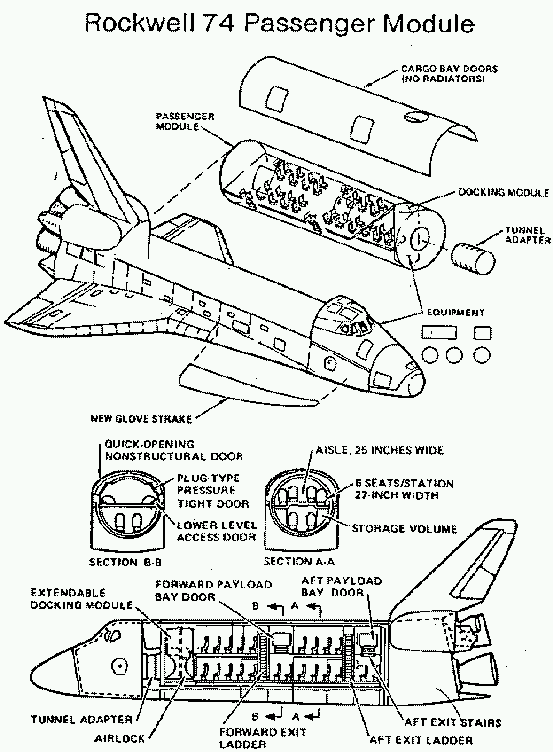
Cite this article
MLA
"Space Shuttle program." encyclopegia.org, 2026, https://encyclopegia.org/wiki/space-shuttle-program. Accessed 24 November 2026.
Chicago
"Space Shuttle program." encyclopegia.org. Accessed November 24, 2026. https://encyclopegia.org/wiki/space-shuttle-program.
APA
encyclopegia.org. (2026). Space Shuttle program. Retrieved November 24, 2026, from https://encyclopegia.org/wiki/space-shuttle-program
Accessed November 24, 2026 · CC BY-SA 4.0 · citation page · JSON
Claims
| Predicate | Value | Source |
|---|---|---|
| date of formation | 2013-06-29 | Wikipedia |
